A solid Foundation Repair Nashville is the backbone of any property, providing stability, support, and protection for the structure above. However, over time, many properties experience foundation settling—a gradual shift or movement of the soil beneath the foundation. While some settling is normal, excessive or uneven settling can lead to significant structural damage, safety hazards, and costly repairs. Understanding the causes, signs, and solutions for foundation settling is essential for homeowners and property managers who want to protect their investment and maintain a safe living environment.
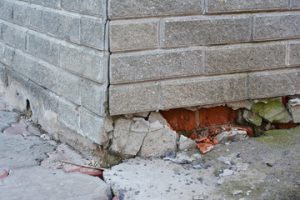
Foundation settling occurs when the soil beneath a structure compresses or shifts, causing the foundation to move downward or tilt. This movement can be caused by a variety of factors, including soil type, moisture levels, poor construction practices, or environmental changes. While minor settling is often harmless, severe or uneven settling can compromise the structural integrity of the property, affecting walls, floors, roofs, and even utility systems. Addressing foundation issues early can prevent escalating damage, reduce repair costs, and preserve the overall value of the property.
Understanding Foundation Settling
Foundation settling is a natural process that occurs to varying degrees in nearly all buildings. It is the result of soil compression under the weight of the structure. However, the extent and severity of settling depend on several key factors, including soil composition, moisture content, and construction quality.
Causes of Foundation Settling
- Soil Composition: Certain types of soil, such as clay or silt, are more prone to shifting and compressing under heavy loads. Expansive soils, which swell when wet and shrink when dry, are particularly problematic for foundations.
- Moisture Variation: Changes in soil moisture, caused by heavy rainfall, drought, or poor drainage, can lead to soil contraction or expansion, resulting in foundation movement.
- Poor Construction Practices: Inadequate compaction of soil during construction, improper foundation design, or use of substandard materials can contribute to uneven settling over time.
- Environmental and Seasonal Factors: Freeze-thaw cycles, flooding, and nearby construction activity can disturb soil stability and accelerate foundation movement.
Understanding the causes of foundation settling is essential for diagnosing problems accurately and implementing effective solutions. Preventive measures, such as proper site preparation and drainage systems, can minimize the risk of severe foundation issues.
Signs That Your Foundation Is Settling
Detecting foundation settling early is critical to preventing structural damage and costly repairs. While some settling may be minor, there are several common indicators that homeowners should watch for:
- Cracks in Walls and Ceilings: Vertical, diagonal, or stair-step cracks in interior or exterior walls often indicate uneven settling. These cracks can appear around doors, windows, and corners where stress is concentrated.
- Uneven or Sloping Floors: Floors that slope, sag, or feel uneven when walking may signal foundation movement. Small dips or bumps may seem minor but could indicate progressive settling.
- Doors and Windows That Stick or Don’t Close Properly: Misaligned doors and windows that rub, stick, or fail to latch correctly can be a direct result of foundation shifting.
- Gaps Around Doors, Windows, or Baseboards: Expansion gaps or separation between structural elements and finishing materials can point to foundation movement.
- Exterior Foundation Cracks: Large cracks in the foundation itself, particularly horizontal or stair-step cracks in concrete blocks, are serious warning signs of settling or shifting.
Recognizing these symptoms early allows homeowners to address the problem before it leads to more extensive structural damage. Consulting with a foundation specialist or structural engineer is often the best course of action when multiple signs of settling are present.
Potential Impacts of Foundation Settling
Foundation settling can affect almost every aspect of a property if left unaddressed. The consequences can range from cosmetic issues to serious structural failures.
Structural Damage
Uneven settling places stress on walls, floors, and ceilings, which can result in cracks, warping, and tilting. Over time, structural components may weaken, compromising the integrity of the building. In severe cases, settling can cause walls to bow, roofs to sag, or support beams to fail, creating significant safety hazards.
Utility and System Problems
Foundation movement can affect plumbing, electrical, and HVAC systems. Pipes may shift or break, electrical wiring can be damaged, and ductwork may become misaligned. These issues can lead to costly repairs and disruptions in service.
Decreased Property Value
A property with foundation issues is often less attractive to potential buyers. Visible cracks, uneven floors, and other signs of settling can lower market value, delay sales, or necessitate extensive repairs before the property can be sold.
Safety Hazards
In extreme cases, foundation settling can create safety risks, including falling debris, collapsing walls, or structural instability. Ensuring that settling is addressed promptly is essential to protecting occupants and maintaining a secure living environment.
How to Prevent Foundation Settling
While some settling is inevitable, there are several preventive measures homeowners can take to minimize risks and maintain foundation stability:
- Proper Site Preparation: During construction, ensure that soil is adequately compacted and graded. Proper site preparation reduces the likelihood of uneven settling over time.
- Effective Drainage Systems: Directing water away from the foundation through gutters, downspouts, and grading prevents soil erosion and excessive moisture accumulation, which are common causes of foundation movement.
- Soil Moisture Management: Maintaining consistent soil moisture around the foundation is important. This may involve using irrigation systems, planting vegetation strategically, or implementing moisture barriers.
- Regular Inspections: Routine foundation inspections can detect minor settling before it escalates into major structural problems. Early intervention is key to reducing repair costs.
- Tree and Vegetation Placement: Large trees planted too close to a foundation can affect soil moisture and root systems. Ensuring adequate distance from the foundation helps prevent soil shifts caused by root growth or water uptake.
Preventive measures combined with professional guidance can significantly reduce the risk of foundation settling and ensure long-term stability.
Solutions for Foundation Settling
If foundation settling occurs, addressing it promptly is crucial to prevent further damage. Several solutions are available, depending on the severity and type of settlement:
1. Slab Jacking or Mudjacking
For minor settling in concrete slab foundations, a process known as slab jacking can lift and stabilize the foundation. This involves pumping a mixture of cement, soil, or other materials beneath the sunken slab to raise it back to its original level.
2. Piering Systems
For more severe settling, piering systems provide structural support. Steel or concrete piers are installed beneath the foundation to transfer the building’s weight to stable soil or bedrock. This method is often used for homes with significant uneven settling or soil instability.
3. Foundation Reinforcement
In some cases, reinforcing the existing foundation with additional concrete, steel supports, or underpinning techniques can stabilize the structure. Reinforcement is especially important for older homes or properties built on expansive or unstable soils.
4. Soil Stabilization
Improving soil conditions around the foundation can reduce future settling. Techniques include injecting stabilizing compounds, improving drainage, or replacing problematic soil with engineered fill.
5. Professional Assessment and Monitoring
Engaging a structural engineer or foundation specialist ensures that the underlying cause of settling is identified and addressed appropriately. In many cases, monitoring the property over time allows professionals to detect subtle shifts before they escalate.
When to Seek Professional Help
Homeowners should consult foundation experts or structural engineers whenever signs of settling appear. Key situations that warrant immediate attention include:
- Large or widening cracks in walls, ceilings, or the foundation itself.
- Noticeable sloping or sagging floors that affect usability or safety.
- Doors or windows that are significantly misaligned or cannot close properly.
- Water intrusion or soil erosion near the foundation could worsen instability.
- Persistent structural damage despite minor repairs or cosmetic fixes.
Professional evaluation ensures that the problem is accurately diagnosed, the underlying causes are addressed, and the appropriate remediation strategy is implemented.
Foundation settling is a common issue that can affect properties of all ages, but it does not have to result in permanent damage or loss of value. Understanding the causes, recognizing the warning signs, and taking proactive measures are key to maintaining a safe, stable, and valuable property. While minor settling is natural, excessive or uneven movement requires timely intervention to prevent structural, safety, and financial consequences.
By implementing preventive measures such as proper drainage, soil management, and routine inspections, homeowners can reduce the risk of foundation problems. When settling occurs, solutions such as slab jacking, piering, and foundation reinforcement provide effective ways to stabilize the structure and restore safety. Engaging professional expertise ensures that foundation issues are addressed comprehensively, protecting both the property and its occupants.
Ultimately, addressing foundation settling early, planning for preventive maintenance, and seeking expert guidance when needed allows property owners to preserve structural integrity, enhance long-term durability, and maintain the overall value of their investment. A solid foundation is the cornerstone of a safe and resilient property, and taking proactive steps to manage settling ensures that it remains that way for years to come.
