
Move In Cleaning Services

Move In Cleaning Services and Preparing a Fresh Start at Home

Move In Cleaning Services

Move In Cleaning Services In Helena are designed to prepare a home for new occupants by ensuring every space is clean, sanitized, and ready for use. Moving into a new home is an exciting experience, but it can also be stressful, especially when cleaning is added to the list of responsibilities. Even homes that appear clean on the surface may contain hidden dust, residue, or lingering odors from previous occupants. Move in cleaning focuses on creating a fresh and healthy environment before belongings are unpacked.

This type of cleaning is more thorough than routine maintenance. It addresses areas that are often overlooked during regular cleaning and ensures that the home feels truly new to the incoming residents. By starting with a clean slate, move in cleaning services help create comfort, confidence, and peace of mind during a major life transition.

Why Move In Cleaning Is Important

Move in cleaning plays a critical role in maintaining hygiene and comfort. A home may have been vacant for some time or previously occupied by others with different cleaning habits. Dust can settle, bacteria may linger, and surfaces may not have been properly sanitized. Move in cleaning eliminates these concerns by addressing cleanliness at a deeper level.

Clean surroundings also support better organization from the start. When a home is thoroughly cleaned before furniture and personal items are introduced, it is easier to maintain cleanliness over time. Move in cleaning establishes a foundation that supports healthier habits and reduces the effort required for future cleaning tasks.

Areas Covered During Move In Cleaning

Move in cleaning services focus on the entire home, including spaces that require special attention. Kitchens are a primary area of concern due to food preparation and storage. Cabinets, countertops, appliances, and sinks are cleaned to remove grease, residue, and bacteria. A clean kitchen ensures a safe environment for cooking and daily use.

Bathrooms also receive detailed cleaning. Surfaces exposed to moisture can harbor bacteria and buildup. Sinks, tubs, showers, and toilets are thoroughly cleaned to restore freshness. Living spaces, bedrooms, and storage areas are addressed as well, with attention given to floors, walls, and fixtures. This comprehensive approach ensures that no area is overlooked.

The Difference Between Move In Cleaning and Regular Cleaning

Move in cleaning differs significantly from routine house cleaning. While regular cleaning focuses on maintaining cleanliness, move in cleaning aims to restore a home to a fresh and sanitized state. It involves more detailed work, including areas that are not typically cleaned on a regular basis.

This deeper level of cleaning is essential before moving in furniture and personal belongings. Once items are in place, certain areas become harder to access. Move in cleaning takes advantage of the empty space to ensure every surface is properly cleaned. This thorough approach helps prevent future issues related to dust and grime buildup.

Health Benefits of Move In Cleaning

Move in cleaning contributes to a healthier living environment by removing allergens, bacteria, and contaminants. Dust, pet dander, and pollen can accumulate over time, especially in vacant homes. Thorough cleaning reduces these allergens and improves indoor air quality.

Sanitizing high touch surfaces also reduces the risk of illness. Handles, switches, and fixtures are often overlooked but can harbor germs. Addressing these areas during move in cleaning creates a safer environment for occupants. These health benefits are especially important for individuals with allergies or respiratory sensitivities.

Reducing Stress During the Moving Process

Moving is often associated with physical and emotional stress. Managing logistics, packing, and unpacking can be overwhelming. Move in cleaning services help reduce this stress by removing one major responsibility from the moving checklist. Knowing that the home is already clean allows occupants to focus on settling in comfortably.

A clean environment also makes unpacking more enjoyable. Placing personal belongings into a fresh and organized space enhances the feeling of a new beginning. This positive experience can make the transition smoother and more satisfying.

Professional Approach to Move In Cleaning

Professional move in cleaning services bring experience and efficiency to the process. Trained cleaners follow systematic methods to ensure consistent results. They use appropriate tools and techniques to clean various surfaces safely and effectively.

Professional cleaning also saves time. What might take an individual several days can often be completed efficiently by a cleaning team. This allows new occupants to move in sooner and enjoy their space without delay. The attention to detail provided by professionals ensures a higher standard of cleanliness.

Eco Friendly Cleaning Considerations

Many move in cleaning services emphasize environmentally responsible practices. Using gentle cleaning products helps protect indoor air quality and reduces chemical exposure. Eco friendly methods are effective at removing dirt and bacteria while being safer for occupants.

Responsible cleaning also involves minimizing waste and using water efficiently. These practices support sustainability without compromising cleanliness. Choosing eco conscious cleaning approaches aligns with modern values of health and environmental responsibility.

Maintaining Cleanliness After Moving In

Maintaining cleanliness after move in cleaning helps preserve the fresh condition of the home. Establishing simple routines makes daily upkeep more manageable. Addressing spills promptly and managing clutter prevents dirt from accumulating.

Regular maintenance cleaning builds on the results of move in cleaning. When a home starts clean, it is easier to keep it that way. This proactive approach reduces the need for intensive cleaning in the future and supports long term comfort.

Common Challenges Addressed by Move In Cleaning

Move in cleaning addresses challenges that are often difficult to manage independently. Stubborn residue, lingering odors, and hard to reach areas require specialized attention. Professional cleaners are equipped to handle these issues effectively.

Homes that have been vacant may also have accumulated dust in unexpected places. Move in cleaning ensures that these hidden areas are addressed. This thorough approach eliminates surprises and ensures a consistently clean environment.

Choosing Move In Cleaning Services

Selecting move in cleaning services involves considering reliability, thoroughness, and attention to detail. Clear communication about expectations ensures that cleaning aligns with specific needs. A professional service focuses on quality and consistency rather than speed alone.

Trust is also an important factor. Move in cleaning involves access to the home before occupancy. Choosing experienced professionals ensures that the process is handled responsibly and respectfully. This confidence allows new occupants to begin their stay with peace of mind.

Final Thoughts

Move in cleaning services play an essential role in creating a fresh and welcoming home. By addressing deep cleaning needs before move in, these services provide a clean foundation that supports comfort, health, and organization. Reducing stress, improving air quality, and enhancing overall cleanliness all contribute to a positive moving experience. When handled with care and professionalism, move in cleaning transforms a new space into a true home from the very first day.

Cabinet Refinishing

Cabinet Refinishing – Before and After Expectations

San Jose Cabinet Refinishing

San Jose Cabinet Refinishing is an excellent way to give your cabinets a facelift without the cost and inconvenience of a complete replacement. It also allows for design flexibility—you can choose a sleek, modern appearance or something more rustic and traditional.

With proper preparation, you’ll be well on your way to a successful transformation. To start, remove the doors from their hinges and label each door and hardware piece for easy re-installation. Next, scrub the frames and doors with a gentle soap or TSP solution and sand the surfaces lightly with sandpaper.

Preparation

Cabinet refinishing upgrades your kitchen or bathroom cabinets without the cost and hassle of a full replacement. It changes the color, sheen and finish of your existing cabinet doors, frames and drawer fronts with a shop grade system that delivers a smooth furniture-grade surface. Unlike painting, refinishing uses a controlled spray process for an even coat that’s durable and long-lasting.

Homeowners often struggle with the age-old conundrum of how to refresh their homes’ aesthetic without blowing their renovation budget. A complete cabinet replacement offers a dramatic transformation, but it can be expensive and disruptive, with noise, dust and construction workers constantly coming in and out of your kitchen. On the other hand, refinishing is a far less invasive option that’s far more budget friendly and allows you to stay in your home while the work is being done.

Before the refinishing phase begins, it’s important to prepare the cabinet surfaces for their new finish. The process includes emptying the cabinets (homeowner responsibility), setting up workspace protection and deep cleaning with commercial degreasers to remove years of grease, grime, cooking residue and more. This phase is vital to a successful result because it ensures the refinishing process is executed correctly, with proper drying periods and adhesion between layers.

While the refinishing process isn’t overly time-consuming, additional work like repairing cabinet hinges and handles or installing a new backsplash can extend project timelines. Custom projects with unique design elements also require more lead time to source materials, which in turn can affect the refinishing timeline.

When it comes to cabinet refinishing, timing depends on the scope of your project, so it’s important to communicate with your Kitchen Redefined representative about any special requirements or customizations. Additionally, it’s best to avoid scheduling any other remodeling projects during the refinishing process, as any extra work can add weeks or months to your timeline. If you’re planning on adding a backsplash, flooring, plumbing or electrical work, it’s best to plan ahead and coordinate with your rep to make sure all the details are covered before starting. Trying to rush or skip any steps in the cabinet refinishing process compromises results.

Painting

Cabinet refinishing is an effective way to transform the look of your kitchen without the high price tag and long timeline associated with cabinet replacement. However, understanding the cabinet refinishing process is important to ensure a professional result. Proper preparation is critical to the success of this type of renovation, including cleaning cabinets, removing hardware and sanding surfaces to create a smooth base. With the proper tools and techniques, refinishing can deliver beautiful results that will last for years to come.

One of the biggest downsides to replacing cabinets is that it’s a time-consuming process that can take several weeks, leaving your kitchen out of commission for an extended period. While refinishing can take just days, this process is ideal for homeowners who want to avoid the inconvenience and hassle of a complete renovation.

Refinishing can also be more environmentally friendly than replacement. Refinishing your existing cabinets preserves the structure of the existing cabinetry while changing the appearance with new stain or paint. By contrast, replacing cabinets requires the removal and disposal of old materials and contributes to waste generation.

In addition to being a cost-effective and eco-friendly option, cabinet refinishing is faster than other renovation methods. While refacing and replacement can require weeks or months to complete, refinishing can be completed in just days or a week. This means you can return to your daily routine sooner and enjoy the results of your transformation.

Whether you’re looking for a subtle change or dramatic update, cabinet refinishing offers an array of customization options to suit your style and vision. From changing colors to incorporating new details like glass panel doors or crown molding, you can easily personalize your space while maintaining the overall design and functionality of your kitchen. However, it’s important to note that refinishing is not ideal for cabinetry that is damaged or outdated. If your cabinets are in poor condition, refacing or replacement may be more appropriate. For more information about the best renovation method for your home, consult with a trusted professional. They can help you find the perfect solution to meet your needs and budget.

Staining

In the staining phase of cabinet refinishing, your cabinets are treated to a color-rich coat of a wood product. This coating brings out the natural grain of your cabinetry and offers a traditional look that complements many home designs. Once the stain has dried, your cabinet surfaces will be lightly buffed to remove any surface imperfections and a protective topcoat will be applied if necessary. When selecting a new stain for your cabinets, it is important to choose a product that is designed for your cabinet materials. Harsh chemicals can damage your cabinets and cause them to dull or discolor over time. Choosing the right stain will help your cabinets last longer and will keep them looking their best.

Cabinet refinishing is ideal for homeowners who want a dramatic change to their kitchen without the expense of a full renovation. In fact, refinishing is often less expensive than replacing your cabinets altogether. It is also a much quicker process than a complete renovation, which can take weeks or even months when dealing with design, ordering and demolition.

Before beginning the refinishing process, you must remove all of your cabinet hardware. This includes the knobs and handles, as well as any pulls that may be attached to the drawers. Set the hardware aside in a safe place so you can reattach them once your cabinet surfaces are finished. Clean the cabinet surfaces thoroughly, using a gentle cleaner formulated specifically for wood cabinets. Avoid products with ammonia or bleach, as these can strip your cabinet surfaces and cause them to dull or discolor over the years.

After preparing the cabinet surfaces, they are sanded to provide a smooth base for your new finish. If necessary, the cabinet boxes are sanded as well. Once the sanding is completed, your cabinets are ready for a fresh coat of stain or paint. Before applying a new coat of stain, it is important to let the previous coat dry for at least six hours.

Staining your cabinets is a much more environmentally friendly option than painting, as it does not add any new material to landfills or waste facilities. Using a high-quality stain that is suitable for your cabinet materials will also ensure that your cabinets last longer than they would with a painted finish. In fact, stained cabinets tend to hold up better to water and wear than painted cabinets, but this does depend on the quality of your stain and the level of maintenance that you are willing to commit to.

Final Inspection

If your cabinets are in need of a major facelift but you’re not ready to commit to the cost and disruption of a full replacement, cabinet refinishing may be a good option. Unlike refacing, which replaces your cabinets’ doors and drawer fronts as well as applies wood or laminate veneer to the cabinet boxes, refinishing only changes the finish on existing cabinetry, keeping everything else intact. However, even though refinishing costs less than replacing cabinets, it’s important to prepare properly to ensure your new look is a success.

This includes thorough cleaning and proper prep of your cabinets before applying refinishing products like primer and paint. Make sure to use a degreaser to cut through kitchen grime and provide a clean base for your products. Also, avoid using cleaning products that contain ammonia or bleach, which can damage or discolor your new finish.

When you’re done with your refinishing project, the final inspection phase is the last step before your new cabinetry is ready to be used. It’s important to have a professional inspector on site for this inspection to ensure your work meets code and safety requirements. The inspector will check for issues such as chipping, peeling, stains and water spots, and make sure that the finish is durable enough to last.

As you can see, refinishing your cabinets takes more time than other renovation methods such as refacing or redooring, but the process is far less invasive than a complete kitchen remodel. You can expect to return to your normal routine much sooner, too, since refinishing requires less demolition and construction.

While refacing and replacement are effective ways to change the appearance of your kitchen, they both require extensive renovations. In addition to the cost of new materials, these projects also take weeks and leave your kitchen out of commission for a long time.

Cabinet refinishing is more budget-friendly than refacing and replacement, but it’s still an investment. However, it can save you 30 to 50 percent on the cost of replacing your cabinets. Plus, it’s environmentally friendly by reusing your existing cabinets and reducing the amount of waste generated from manufacturing new ones.

Contractor Services

How Foundation Settling Affects Your Property and What to Do About It

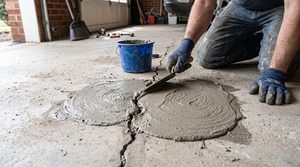
A solid Foundation Repair Nashville is the backbone of any property, providing stability, support, and protection for the structure above. However, over time, many properties experience foundation settling—a gradual shift or movement of the soil beneath the foundation. While some settling is normal, excessive or uneven settling can lead to significant structural damage, safety hazards, and costly repairs. Understanding the causes, signs, and solutions for foundation settling is essential for homeowners and property managers who want to protect their investment and maintain a safe living environment.

foundation

Foundation settling occurs when the soil beneath a structure compresses or shifts, causing the foundation to move downward or tilt. This movement can be caused by a variety of factors, including soil type, moisture levels, poor construction practices, or environmental changes. While minor settling is often harmless, severe or uneven settling can compromise the structural integrity of the property, affecting walls, floors, roofs, and even utility systems. Addressing foundation issues early can prevent escalating damage, reduce repair costs, and preserve the overall value of the property.

Understanding Foundation Settling

Foundation settling is a natural process that occurs to varying degrees in nearly all buildings. It is the result of soil compression under the weight of the structure. However, the extent and severity of settling depend on several key factors, including soil composition, moisture content, and construction quality.

Causes of Foundation Settling

  1. Soil Composition: Certain types of soil, such as clay or silt, are more prone to shifting and compressing under heavy loads. Expansive soils, which swell when wet and shrink when dry, are particularly problematic for foundations.
  2. Moisture Variation: Changes in soil moisture, caused by heavy rainfall, drought, or poor drainage, can lead to soil contraction or expansion, resulting in foundation movement.
  3. Poor Construction Practices: Inadequate compaction of soil during construction, improper foundation design, or use of substandard materials can contribute to uneven settling over time.
  4. Environmental and Seasonal Factors: Freeze-thaw cycles, flooding, and nearby construction activity can disturb soil stability and accelerate foundation movement.

Understanding the causes of foundation settling is essential for diagnosing problems accurately and implementing effective solutions. Preventive measures, such as proper site preparation and drainage systems, can minimize the risk of severe foundation issues.


Signs That Your Foundation Is Settling

Detecting foundation settling early is critical to preventing structural damage and costly repairs. While some settling may be minor, there are several common indicators that homeowners should watch for:

  1. Cracks in Walls and Ceilings: Vertical, diagonal, or stair-step cracks in interior or exterior walls often indicate uneven settling. These cracks can appear around doors, windows, and corners where stress is concentrated.
  2. Uneven or Sloping Floors: Floors that slope, sag, or feel uneven when walking may signal foundation movement. Small dips or bumps may seem minor but could indicate progressive settling.
  3. Doors and Windows That Stick or Don’t Close Properly: Misaligned doors and windows that rub, stick, or fail to latch correctly can be a direct result of foundation shifting.
  4. Gaps Around Doors, Windows, or Baseboards: Expansion gaps or separation between structural elements and finishing materials can point to foundation movement.
  5. Exterior Foundation Cracks: Large cracks in the foundation itself, particularly horizontal or stair-step cracks in concrete blocks, are serious warning signs of settling or shifting.

Recognizing these symptoms early allows homeowners to address the problem before it leads to more extensive structural damage. Consulting with a foundation specialist or structural engineer is often the best course of action when multiple signs of settling are present.


Potential Impacts of Foundation Settling

Foundation settling can affect almost every aspect of a property if left unaddressed. The consequences can range from cosmetic issues to serious structural failures.

Structural Damage

Uneven settling places stress on walls, floors, and ceilings, which can result in cracks, warping, and tilting. Over time, structural components may weaken, compromising the integrity of the building. In severe cases, settling can cause walls to bow, roofs to sag, or support beams to fail, creating significant safety hazards.

Utility and System Problems

Foundation movement can affect plumbing, electrical, and HVAC systems. Pipes may shift or break, electrical wiring can be damaged, and ductwork may become misaligned. These issues can lead to costly repairs and disruptions in service.

Decreased Property Value

A property with foundation issues is often less attractive to potential buyers. Visible cracks, uneven floors, and other signs of settling can lower market value, delay sales, or necessitate extensive repairs before the property can be sold.

Safety Hazards

In extreme cases, foundation settling can create safety risks, including falling debris, collapsing walls, or structural instability. Ensuring that settling is addressed promptly is essential to protecting occupants and maintaining a secure living environment.


How to Prevent Foundation Settling

While some settling is inevitable, there are several preventive measures homeowners can take to minimize risks and maintain foundation stability:

  1. Proper Site Preparation: During construction, ensure that soil is adequately compacted and graded. Proper site preparation reduces the likelihood of uneven settling over time.
  2. Effective Drainage Systems: Directing water away from the foundation through gutters, downspouts, and grading prevents soil erosion and excessive moisture accumulation, which are common causes of foundation movement.
  3. Soil Moisture Management: Maintaining consistent soil moisture around the foundation is important. This may involve using irrigation systems, planting vegetation strategically, or implementing moisture barriers.
  4. Regular Inspections: Routine foundation inspections can detect minor settling before it escalates into major structural problems. Early intervention is key to reducing repair costs.
  5. Tree and Vegetation Placement: Large trees planted too close to a foundation can affect soil moisture and root systems. Ensuring adequate distance from the foundation helps prevent soil shifts caused by root growth or water uptake.

Preventive measures combined with professional guidance can significantly reduce the risk of foundation settling and ensure long-term stability.


Solutions for Foundation Settling

If foundation settling occurs, addressing it promptly is crucial to prevent further damage. Several solutions are available, depending on the severity and type of settlement:

1. Slab Jacking or Mudjacking

For minor settling in concrete slab foundations, a process known as slab jacking can lift and stabilize the foundation. This involves pumping a mixture of cement, soil, or other materials beneath the sunken slab to raise it back to its original level.

2. Piering Systems

For more severe settling, piering systems provide structural support. Steel or concrete piers are installed beneath the foundation to transfer the building’s weight to stable soil or bedrock. This method is often used for homes with significant uneven settling or soil instability.

3. Foundation Reinforcement

In some cases, reinforcing the existing foundation with additional concrete, steel supports, or underpinning techniques can stabilize the structure. Reinforcement is especially important for older homes or properties built on expansive or unstable soils.

4. Soil Stabilization

Improving soil conditions around the foundation can reduce future settling. Techniques include injecting stabilizing compounds, improving drainage, or replacing problematic soil with engineered fill.

5. Professional Assessment and Monitoring

Engaging a structural engineer or foundation specialist ensures that the underlying cause of settling is identified and addressed appropriately. In many cases, monitoring the property over time allows professionals to detect subtle shifts before they escalate.


When to Seek Professional Help

Homeowners should consult foundation experts or structural engineers whenever signs of settling appear. Key situations that warrant immediate attention include:

  1. Large or widening cracks in walls, ceilings, or the foundation itself.
  2. Noticeable sloping or sagging floors that affect usability or safety.
  3. Doors or windows that are significantly misaligned or cannot close properly.
  4. Water intrusion or soil erosion near the foundation could worsen instability.
  5. Persistent structural damage despite minor repairs or cosmetic fixes.

Professional evaluation ensures that the problem is accurately diagnosed, the underlying causes are addressed, and the appropriate remediation strategy is implemented.


Foundation settling is a common issue that can affect properties of all ages, but it does not have to result in permanent damage or loss of value. Understanding the causes, recognizing the warning signs, and taking proactive measures are key to maintaining a safe, stable, and valuable property. While minor settling is natural, excessive or uneven movement requires timely intervention to prevent structural, safety, and financial consequences.

By implementing preventive measures such as proper drainage, soil management, and routine inspections, homeowners can reduce the risk of foundation problems. When settling occurs, solutions such as slab jacking, piering, and foundation reinforcement provide effective ways to stabilize the structure and restore safety. Engaging professional expertise ensures that foundation issues are addressed comprehensively, protecting both the property and its occupants.

Ultimately, addressing foundation settling early, planning for preventive maintenance, and seeking expert guidance when needed allows property owners to preserve structural integrity, enhance long-term durability, and maintain the overall value of their investment. A solid foundation is the cornerstone of a safe and resilient property, and taking proactive steps to manage settling ensures that it remains that way for years to come.

Electrical Services

How a Licensed Electrician Improves Electrical Safety and Code Compliance

Electricity powers nearly every aspect of modern living, from lighting and climate control to data networks and advanced appliances. Yet behind the convenience lies a complex system of wiring, panels, circuits, and safety devices that must function flawlessly to prevent hazards. Electrical faults remain one of the leading causes of property damage and fire incidents in residential and commercial buildings. This is precisely where a licensed electrician becomes indispensable. Hiring a qualified professional is not merely about completing an installation—it is about ensuring electrical safety, meeting regulatory standards, and protecting both people and property.

Electrical systems are governed by detailed safety codes designed to minimize risks such as fire, shock, equipment failure, and power disruptions. These codes are regularly updated to reflect technological advancements and evolving safety standards. A licensed Electrician Jacksonville NC undergoes formal training, examinations, and certification processes to understand these regulations thoroughly. Their expertise ensures that all electrical work aligns with established guidelines, reducing liability and preventing costly mistakes that may arise from improper installations.

electrical services

One of the primary ways a licensed electrician improves safety is through accurate load calculation and system design. Every building has a specific electrical capacity based on panel size, wiring configuration, and circuit distribution. When homeowners or business operators add appliances, equipment, or lighting without evaluating load requirements, circuits can become overloaded. Overloaded circuits generate heat, which can deteriorate insulation and ignite surrounding materials. A licensed electrician conducts precise load assessments to determine whether existing infrastructure can handle additional demand or if upgrades are required.

Electrical panels are central to safe power distribution. Over time, panels may become outdated, damaged, or insufficient for modern energy usage. Warning signs such as frequent breaker trips, flickering lights, or unusual buzzing noises often indicate deeper problems. A licensed electrician not only identifies these symptoms but also diagnoses the root cause. In many cases, panel upgrades or circuit reconfiguration are necessary to restore safe operation. By addressing these issues proactively, licensed professionals prevent potential hazards before they escalate into emergencies.

Proper grounding and bonding represent another critical component of electrical safety. Grounding provides a safe path for excess electrical current to travel during faults or surges. Without effective grounding, voltage spikes can damage equipment and pose severe shock risks. Bonding ensures that metallic components within the electrical system remain electrically connected, reducing the chance of stray currents. Licensed electricians understand the intricacies of grounding requirements and verify that systems meet code specifications. Their attention to detail protects occupants from hidden electrical dangers.

Code compliance is more than a bureaucratic formality; it is a protective framework designed to ensure safe operation. Electrical codes specify conductor sizing, outlet spacing, breaker ratings, and protective device installation. Failing to comply with these standards can result in denied insurance claims, legal complications, and safety hazards. Licensed electricians stay informed about code updates and apply them during installations, repairs, and upgrades. This compliance not only safeguards property but also provides peace of mind to owners and occupants.

In both residential and commercial settings, electrical systems must accommodate evolving technology. Smart home devices, advanced security systems, data networks, and electric vehicle charging stations introduce new load demands and wiring complexities. A licensed electrician ensures that new installations integrate seamlessly with existing infrastructure. Rather than improvising solutions, professionals design circuits that balance efficiency, safety, and compliance. This structured approach prevents performance issues and reduces long-term maintenance costs.

Electrical inspections play a vital role in identifying potential risks. Licensed electricians conduct thorough evaluations that examine panels, wiring, outlets, switches, and protective devices. During these inspections, they look for signs of overheating, corrosion, loose connections, and outdated components. Thermal imaging tools may be used to detect hidden hotspots within walls or panels. By uncovering problems early, electricians prevent small issues from developing into serious hazards.

There are several essential services a licensed electrician provides to improve electrical safety and compliance:

  1. Comprehensive Safety Inspections – Evaluating the entire electrical system to detect code violations and potential hazards.
  2. Panel Upgrades and Circuit Rebalancing – Ensuring proper load distribution and sufficient capacity for modern energy needs.
  3. Installation of Protective Devices – Adding arc fault circuit interrupters, ground fault circuit interrupters, and surge protection systems to enhance safety.
  4. Wiring Replacement and Modernization – Upgrading outdated or damaged wiring to meet current safety standards.

These targeted interventions significantly reduce the likelihood of electrical accidents.

Arc faults and ground faults are among the most dangerous electrical issues. Arc faults occur when electrical current jumps across gaps in damaged wiring, generating intense heat capable of igniting fires. Ground faults involve unintended electrical paths that increase shock risk. Licensed electricians install advanced protective devices designed to detect and interrupt these hazardous conditions. These technologies are often required by modern codes, particularly in kitchens, bathrooms, and other high-risk areas.

Commercial properties present additional challenges due to their complex distribution systems and higher energy demands. Businesses rely on uninterrupted power for productivity and revenue generation. A licensed electrician ensures that commercial installations meet stringent safety standards, including proper labeling, clear access to panels, and accurate documentation of circuit layouts. This level of organization simplifies future maintenance and supports regulatory inspections.

Emergency preparedness is another area where licensed electricians add value. Backup generators, battery storage systems, and surge protection devices must be installed correctly to function reliably during power outages. Improper generator connections can create dangerous backfeeding conditions, endangering utility workers and damaging equipment. Licensed professionals follow established safety procedures to integrate backup systems without compromising grid stability.

Insurance providers and property assessors often require proof of professional electrical work. Documentation from a licensed electrician demonstrates that installations meet recognized safety standards. In the event of a claim, evidence of code-compliant work can expedite the process and protect property owners from liability disputes. Conversely, unauthorized or unpermitted work may invalidate coverage, creating financial risk.

Electrical safety extends beyond installation to include ongoing maintenance. Connections can loosen over time, and components may degrade due to wear and environmental factors. Licensed electricians recommend periodic evaluations to maintain optimal performance. Routine maintenance not only ensures compliance but also extends equipment lifespan and enhances overall efficiency.

Beyond technical expertise, licensed electricians bring accountability and professionalism to every project. Their training emphasizes not only installation techniques but also ethical responsibility and adherence to safety protocols. When property owners hire a licensed professional, they gain assurance that the work will be performed to high standards and inspected according to regulations.

The long-term benefits of hiring a licensed electrician are substantial:

  1. Reduced Fire and Shock Risk – Proper installation and protective devices significantly lower accident potential.
  2. Improved System Reliability – Balanced circuits and quality workmanship minimize power disruptions.
  3. Legal and Insurance Protection – Code-compliant work safeguards against regulatory penalties and claim denials.
  4. Higher Property Value – Modern, professionally installed systems increase market appeal and buyer confidence.

These advantages highlight the broader impact of professional electrical services.

As buildings become more technologically advanced, electrical systems must evolve accordingly. Renewable energy integration, smart automation, and high-capacity charging infrastructure demand precise engineering and compliance expertise. Licensed electricians remain at the forefront of these advancements, ensuring that new technologies enhance rather than compromise safety.

Ultimately, electrical safety is not an area where shortcuts should be taken. Improper wiring or non-compliant installations may appear functional initially, but hidden deficiencies can surface at the worst possible moment. A licensed electrician serves as both a technician and a safeguard, applying rigorous standards to every connection and component.

Investing in licensed electrical services is an investment in long-term safety, compliance, and operational efficiency. Whether upgrading a panel, installing new equipment, or conducting a comprehensive inspection, professional oversight ensures that systems operate within safe and legal parameters. In a world increasingly dependent on electricity, the role of a licensed electrician remains essential. Through meticulous planning, adherence to code requirements, and unwavering commitment to safety, they help create secure environments where power is both reliable and responsibly managed.

Floral Designs

Pressed Floral Art

Pressed Floral Art adds a timeless elegance to picture frames, decorative items and more. But it’s important to know which flowers work best for this craft and how to prepare them for pressing.

Choosing absorbent materials like parchment paper and the pages of heavy books help remove moisture during the drying process. And adding a little weight like additional books or even stones helps ensure consistent pressure for flattening and pressing the florals.

Flowers with Thin Petals

As autumn approaches, it’s the perfect time to collect and press flowers for gifts and home decor projects. Cultivated and wild flowers are at their peak, petals are firm, and they can be preserved for weeks with the right preparations. Pressing flowers is a centuries-old creative pastime, once popular in Japan where the practice was known as Oshibana. This art form promoted patience, concentration, and a connection with nature.

During this season, flower petals are a beautiful addition to handmade cards and journals for friends and loved ones. They can also be incorporated into framed botanical art and other home decor accents that will capture the memories of cherished moments.

The floral preservation process is easy to do and provides a fun activity that the whole family can enjoy. It also encourages patience and perseverance as the flowers must be left to dry for several weeks. These skills are important in both personal and professional settings.

To start, prepare the flowers for pressing by removing any wilting or damaged petals. Choose petals and leaves that are fully open for the best results, and avoid flowers with thick or oily petals. Place the florals between sheets of absorbent paper, such as blotting or parchment paper, and stack additional books on top for even pressure.

After allowing the flower to dry for a few weeks, remove it from the paper and store it in a cool, dark place. Moisture is detrimental to pressed flowers, and prolonged exposure can cause them to fade or develop mold. Avoid displaying pressed florals in humid areas, and consider using glass frames or UV-resistant resin when displaying them in your home.

For an extra special touch, Element Design Co can transform sentimental blooms into stunning framed flower displays and functional resin decor such as serving trays and coasters. The company’s mastery in the art of flower preservation allows you to preserve meaningful memories of special events and travels for years to come.

Flowers with Thick Petals

The thick petals of flowers such as roses, tulips, peonies, and dahlias pose special challenges when making pressed floral art. While these blooms can still be beautiful when pressed, the process requires a great deal of patience and careful handling to ensure the delicate petals do not break or warp. To minimize the chance of a less-than-desirable result, DIYers should select flowers that are at their peak and gently flatten the petals before pressing to improve their chances of success.

The thinner petals of many flower varieties, including daisies, pansies, and larkspurs, press beautifully. They maintain their shape and vibrant colors, while adding an airy element to any pressed flower composition. Daffodils are another great choice, as they press well and keep their sunny yellow hue. Although not technically a flower, ferns also press beautifully and add a touch of greenery to floral arrangements.

Pressed flower art is a simple, rewarding craft that adds timeless charm to your home décor and handmade gifts. Pressed flower bouquets make wonderful personalized greeting cards, and you can even encase your preserved florals in resin to create unique botanical jewelry pieces. Pressed flower embellishments can also be used to create decorative framed art. Just remember to use acid-free materials and frames to preserve the colors of your pressed flower creations.

As an alternative to traditional flower pressing, you can try a new technique called Oshibana, which was developed in Japan. Instead of using a traditional flower press, you can place your arranged flowers between the pages of several heavy books, stacking them on top to provide consistent pressure. This method is easier, faster, and yields more consistent results.

Flowers with High Water Content

Unlike thin flowers, which press well with little effort, larger blooms require extra preparation to ensure the best results. Aim to harvest your flowers at their peak blooming stage, preferably before they reach full maturity. Remove any excess moisture before pressing, such as dew or rain, by blotting the petals gently with paper towels.

Some flowers, such as daisies, pansies, lilies, and asters, have low water content and are easy to press for floral art. These flower types are ideal for pressed bouquets and framed prints.

For example, daffodils have a high water content and can be difficult to press. However, daffodils that are harvested at an early stage and pressed quickly produce excellent results. Similarly, tulips and irises are often challenging to preserve due to their delicate structure. For the best results, you should try to select flowers that have a lower water content.

Incorporating pressed florals into creative projects is a rewarding and therapeutic craft. Whether designing personalized greeting cards or embellishing home decor items, pressed florals elevate any DIY project. With proper preservation techniques, your preserved florals will last for years to come. For even longer-lasting pressed flower artwork, you can encase your flowers in a clear resin to preserve their colors and details. To ensure your pressed flowers retain their quality, use acid-free papers and materials and store them in a cool and dry location away from direct sunlight and humidity. Alternatively, you can contact the professionals at Element Preservation for professional flower preservation and storage. Our team can expertly encapsulate your special flowers and transform them into elegant glass prints to celebrate life’s moments. Visit us online to learn more about our services.

Flowers with Oily Petals

While the beauty of pressed florals is universal, not all flowers and plants work equally well when it comes to this flower preservation technique. Pressing flowers entails applying pressure and heat in order to flatten and preserve them. While specialized flower presses are available, you can also use heavy books and even weights to provide consistent pressure. This ensures that the blooms dry evenly and prevents mold from growing within the flower.

To prepare your blooms for pressing, carefully blot away any excess moisture before placing them in the press. Ideally, the flowers should be arranged so that they do not overlap each other or touch. After a week of drying, carefully check the blooms to make sure they are completely dry and not discolored or damaged. It is important to be patient during the drying process, as the time it takes for a bloom to press depends on its water content and type.

Once your pressed florals have finished drying, they can be framed and displayed in a variety of ways. You can also incorporate them into creative DIY projects, such as embellishing candles, bookmarks, or other home decor items. However, if you are interested in a more permanent preservation solution, you can always take your florals to the professional experts at Element.

Element offers a wide range of custom services, including resin encapsulation, to preserve your most sentimental florals into beautiful and functional art pieces. For more information, visit our website or contact us today! We look forward to preserving your memories for years to come.

Flowers with Irregular Shapes

Flowers are beautiful and inspiring, capturing the fleeting beauty of nature’s bounty. Pressing them into artwork is a relaxing activity, encouraging mindful engagement with the textures, colors, and shapes of natural botanicals. Pressing flowers also encourages concentration and promotes problem-solving skills, helping to reduce anxiety. In a world that moves at an ever-increasing pace, flower pressing is a way to slow down and connect with the quiet beauty of the natural world.

When choosing blooms for pressed floral art, select ones with thin petals and low water content. Ideal options include wildflowers, daisies, violets, and ferns. Larkspurs are another delicate filler flower that dries beautifully, and their fragrance can add an appealing element to bouquet compositions. It’s important to consider the foliage of your flowers, as this is also a key component of the final pressed artwork. Ferns, for example, are a popular choice because of their symmetrical patterns and green hues that complement other flowers well in pressed floral compositions.

Once you have chosen the best flower to press, carefully arrange it on a piece of tissue paper and place a second sheet of tissue on top. Then, stack a heavy object on top, like a book or bricks, to ensure the pressed arrangement doesn’t move during the drying process.

Pressed flower art is a simple craft that opens up a world of creative possibilities. From botanical greeting cards to framed wall art and nature-inspired crafts, pressed florals can bring a subtle and elegant touch to any home décor or handmade gift. As summer comes to a close, now is the perfect time to begin pressing botanicals, as gardens and wild spaces offer a wealth of gorgeous blooms that are perfectly suited for the drying process. Incorporate them into DIY projects to create a thoughtful, nature-inspired autumn or winter celebration or add to your journal as you reflect on summer’s beauty throughout the colder months.

Home Improvement

The Benefits of Home Remodeling

Norton Home Remodeling is a common project that can dramatically improve your living space. It can also add a boost to your resale value.

Home Remodeling

But a home remodel is a big undertaking. It’s important to find a reliable contractor to work with. Interview several contractors to make sure they’re a good fit for your needs.

The value of your home increases when you invest in remodeling projects that increase the functionality and livability of your space. For example, if you currently have small kitchen and dining areas that cannot accommodate large family gatherings, it may make more sense to do a major home remodel to create more spacious living spaces. You will likely recoup most of the money you put into the project when it comes time to sell.

A remodeling project can also add modern amenities that increase your home’s energy efficiency. Installing new lighting, energy-efficient appliances, and water heaters will decrease your monthly utility bills while adding to the overall appeal of your home. This makes it a great way to boost your home’s curb appeal and make it more energy-efficient and functional for you and your family.

Home remodeling is a big commitment and can be expensive. It’s important to plan out your budget and hire an experienced design-build remodeling company to ensure you get the most bang for your buck. However, you’ll find that the benefits outweigh the costs when it comes to increasing the value of your home.

Home remodeling and renovation can be confusing terms, especially for those who are unfamiliar with the industry. It’s crucial to evaluate your motivation, goals, and resale potential before deciding on the extent of your project, the amount of money you want to spend, and how you’ll finance it. For instance, renovating a house with crown molding and high-end countertops might not be the best choice for someone looking to flip it.

Added Space

Remodeling projects allow homeowners to add extra space that can benefit them and their families. Homeowners can create more living space, update the kitchen and dining areas, or add an entertainment room. These additions can enhance the quality of life and help accommodate guests and family members. Some remodeling ideas that could be considered include wood decks, patios, and sunrooms. These additions can also increase a home’s value and make it easier to entertain guests. This is particularly beneficial for homeowners who do not have enough space to comfortably host family and friends. This may also encourage people to entertain more frequently, which can boost social interaction and overall well-being.

Personalization

Home personalization is one of the reasons homeowners invest in home remodeling. By putting their stamp on a property, they can create an immersive experience that makes them feel like it’s their own. This is a great way to make a space feel comfortable and familiar, which can help alleviate stress and improve overall health and well-being.

A personalized touch can be as simple as choosing a color scheme that speaks to you or even adding some accent pieces that showcase your unique style. You can also make a bigger impact by incorporating some of your hobbies or interests into your design scheme. For example, if you’re an avid traveler, consider displaying some of your favorite pieces from your various trips. These little touches will serve as conversation starters and are a great way to add some personality to your space.

However, keep in mind that any over-personalization of your home may actually decrease its value. So be sure to consult with a professional who understands your vision and can implement it in a way that is both functional and attractive.

There are many benefits to investing in a home remodel, and there’s no reason to wait to get started. With a little planning and the right team of professionals, you can turn your house into your forever home. Contact a local home remodeling company to discuss your ideas and get started on the project that’s right for you. They can provide you with a detailed estimate and timeline, so you can rest assured that the job will be completed on time and within your budget.

Better energy efficiency

Aside from the aesthetic changes that come with home remodeling, you can also improve your home’s energy efficiency by replacing old appliances and implementing new insulation. This will help you save money on your energy bills while making your home more comfortable to live in. Choosing materials that are environmentally friendly is also becoming increasingly important for homeowners. Many are turning to bamboo and reclaimed wood, which are both sustainable options that are on trend and add value to the home.

Depending on the type of remodel you have in mind, your budget may play an important role in how you go about it. Determine your maximum spend and then reduce that number by around 10 percent to leave room for unexpected expenses or challenges that arise during the project.

It’s a good idea to research local zoning laws and find out whether your project requires a permit. Getting these details in place early on will avoid any delays or problems down the line.

Regardless of your reasons for home remodeling, a professional contractor will ensure the results are high-quality and meet or exceed your expectations. When choosing a contractor for the job, look for one who is licensed and insured to work in your area. A reputable company will use tools like CoConstruct to schedule timelines and track financials, so you can be confident your renovation project will be completed on time and within your budget. Varian Construction is experienced in working on a wide variety of residential renovation projects, including kitchen, bathroom, basement, and whole-home remodeling. Contact us today to discuss your project and to find out how we can help you make the most of your home’s value and livability!

Peace of mind

Home remodeling can be a stressful process. Between messy construction sites and the disruption of your everyday routine, it’s easy to feel overwhelmed. Thankfully, you can alleviate some of this stress by moving into temporary housing during the remodel. Choosing accommodations that fit your family’s needs and schedule will help you stay calm during the renovation process.

You can also find ways to keep yourself busy during the home remodel. One popular choice is to start a hobby or learn something new. This will give you a creative outlet that can boost your mental health. Creativity has been linked to a lower risk of certain diseases, including Alzheimer’s.

Another way to relax is by entertaining friends and family more often. This can be a challenge for many homeowners, especially when their homes aren’t designed to accommodate guests. However, a full-home remodel can transform your space into one that is comfortable and functional for guests. This can make hosting a fun and rewarding experience for everyone.

If you’re tired of struggling with a home that doesn’t function for your lifestyle, it’s time to consider a remodel. Whether you need to add more living space, update your kitchen, upgrade the bathroom, or finish the basement, the right remodeler can transform your home into a place you love to be.

The benefits of a home remodel can be enormous, and it’s important to work with the right team to ensure your project goes as smoothly as possible. A quality contractor will take the time to understand your goals, discuss all your options, and create a detailed plan for your project. This will help to reduce your stress, improve the quality of your home, and save you money in the long run.

Roofing

What is a Roof?

A roof provides protection against rain, snow, sunlight, extremes of temperature, and wind. It may contribute to ventilation, views, and access, as well as provide living space.

Roof

Look for roofing materials that are durable in high-velocity hurricane zones, salt air, and humidity and can withstand a freeze-thaw cycle. Also, avoid a roof material that retains moisture and encourages fungus growth (like wood shingles or shakes).

The roof is the protective covering of a building, shielding it from rain, snow, sunlight, wind, and extremes of temperature. It can be flat or pitched, vaulted, domed, or in a combination of forms. Roofing materials vary, from banana leaves or wheaten straw (which are used in traditional thatches) to asphalt shingles, wood shakes or boards, and tile. The choice of material depends on local availability and aesthetic considerations.

In recent times, membrane roofs, also known as single-ply or built-up roofs, have gained popularity because of their durability and low installation cost. These waterproof membranes are made of layers of either organic or glass-fiber mats saturated with bitumen or asphalt and covered by a layer of felt.

A variety of finishes can be applied to membranes, including stone, copper, galvanized steel, and aluminum sheeting. Lead has long been used around chimneys, walls, and plumbing vents, but it is very expensive.

For a roof with visual appeal, clay or concrete tiles are an excellent choice. Round-topped tiles are a classic feature of Spanish and Florida architecture; flat-style tiles can create French or English styles. Tile is very durable and can last up to a century. It is heavy, however, so the structure must be well insulated to prevent it from adding too much to the structural load of the building. Also, tile roofs require frequent maintenance to keep the moss and algae from overgrowing and reducing their water-repellent properties.

Pitch

Roof pitch is the incline or steepness of your roof, which is important for both structural purposes and because it can determine what type of roofing materials you will need. It also impacts how rainwater and snow are able to shed from the roof. A roof with a low pitch may experience water leaking, which can lead to rot, mold, and mildew within the home. A roof with a steep pitch, on the other hand, is more likely to shed rainwater and snow more quickly.

Depending on your remodeling contractor’s preference, you can find roof pitch by measuring the distance between a rafter and the surface of the roof. However, the most preferred method is to measure the roof from three different locations, which include the underside of a rafter on an overhang near the bottom of the roof (where the soffit vents), the top side of the ridge truss, and the underside of a barge truss on the gable end of the house. The measurements will then be combined to create a roof pitch figure.

Pitch is sometimes referred to as “slope,” though the technical term for it is “rise over span.” The latter is calculated using the roof’s length and width and compares the roof’s vertical stance to its horizontal stance. It is sometimes difficult to calculate for non-gable roofs, so builders and homeowners tend to use the term “pitch” more often.

The roof’s pitch is represented by the ratio of its vertical rise over its horizontal run and is usually expressed as a fraction. A flat roof has a pitch of zero, and a pitched roof is represented by numbers with a division slash or colon, such as 4/12 or 7/12.

The higher the roof’s pitch, the more severe its incline. A steeper pitch is more efficient at shedding rainwater and snow, but it’s also less practical for walking or doing work on the roof and requires extra support to prevent leaking and damage. This is why a professional roofing company should be used to assess the roof pitch before starting any remodeling projects.

Insulation

A roof’s insulation can be a key factor in how well your home stays cool in the summer and warm in the winter. It also helps prevent the overworking of your HVAC system, saving you money and prolonging the life of your unit. There are several options available for insulating your roof, depending on your climate and whether you want to make the project a DIY job or call in professional help.

Foam insulation has higher R-values than fiberglass batt insulation but can be more expensive to install. Rigid foam insulation consists of a foam plastic insulating core pressed between prefabricated facing materials such as OSB, plywood, or other structural sheathing. There are three common types of rigid foam insulation: extruded polystyrene (XPS), expanded polystyrene (EPS), and polyisocyanurate. The latter offers the highest R-value per inch at an affordable price.

Other insulation materials include mineral wool, cotton fiber, and cellulose. Some are fitted between wood-frame studs, joists, and rafters and suit standard framing spacing, while others can be blown into place or poured in place. These are more suitable for irregularly shaped areas and around obstructions.

Some types of insulation are suitable for do-it-yourself installation if you follow the manufacturer’s guidelines and safety precautions. Others require professional installation, especially blankets, boards, and poured-in-place materials. For the best results, ask contractors about their experience installing the type you’re considering and check local building codes before proceeding.

Rigid foam insulation is able to resist moisture better than other types of insulation, making it a good choice for humid environments. They also have a high strength-to-weight ratio. Structural insulated panels, or SIPs, are prefabricated insulating components for the walls, floors, and ceilings of new homes. They reduce construction time and the need for other weatherization tasks such as applying housewrap, vapor barriers, and taping joints.

Some cellulose insulation can be installed by homeowners, but other types should be professionally installed. Cellulose and some spray-in-place insulation should be treated with a fire retardant before use. The flammability of these chemicals can cause irritation to the skin, nose, and throat.

Ceilings

Ceilings are the overhead interior surfaces that cover the upper limits of rooms. They are usually made of plaster or some other material. They have a number of purposes, like providing aesthetics by their shape, texture, and color or hiding certain structural elements or unevenness, and they also act as acoustic conditioning and thermal insulation for the space above the room. They may also conceal some services, like ducts and pipes. They have fire-resistant properties and can accommodate building services like vents, lighting fixtures, sprinkler heads, etc.

The most common type of ceiling is the paneled suspended ceiling, which consists of a grid framework to which a ceiling covering is attached. The ceiling covering can be in the form of tiles, trays, or boards in a wide variety of materials. It can even be acoustic in nature. Services like ventilation ducts, pipe work, and wiring can be concealed by the ceiling covering.

Other types of ceilings include gypsum ceilings, which are made from hydrated sulfate of calcium. It is light and soft and has excellent fire resistance and thermal insulation. It can be molded and is a very cost-effective ceiling. It is also very easy to install electrical components.

Moreover, it can be molded into any design. It is an ideal choice for the ceiling of any room in the house, as it can be painted or stained to match the décor of the interiors. Gypsum ceilings are also less prone to damage from the impact of dropping heavy objects.

Some architects prefer to omit the concept of a finished ceiling altogether and expose the structural members like timber beams, concrete slabs, and space trusses. It creates an admirable architectural look and also allows the thermal mass of the structure to be exploited by installing heating or cooling elements such as chilled beams.

Other kinds of false ceilings that can be used are metal ceilings, which are made of galvanized iron or aluminum sheets. It is highly durable and has a beautiful shine to it. It is also very easy to clean and maintain.

Gutter Cleaning

The Importance of Gutter Cleaning

Clogged gutters trap leaves, twigs, and other debris, which can cause rainwater to overflow. This can damage your home and saturate the ground around your foundation.

Gutter Cleaning

Summerville Gutter Cleaning requires a ladder and can be very dangerous if not done correctly. Many factors influence gutter cleaning costs, such as the length of the gutter and the height of the house.

Gutter cleaning is one of the most important things you can do to protect your home. Clogged gutters cause water to run off the roof instead of flowing down and away from the house, which can damage the roof, the walls, and the foundation. It can also cause rot and mold. Gutter cleaning helps prevent all these problems.

Gutters and downspouts are designed to channel rainwater away from the house. If they become clogged, the water will overflow the sides of the house and pour down the sides, damaging the siding and possibly the foundation. It can also damage and stain the roof, causing leaks in the interior of the house. Gutter cleaning will eliminate these problems and prevent expensive repair and replacement costs.

In addition, a clogged gutter can trap water on top of the roof, which can damage the shingles and lead to roof leaks. The water can also cause the wood fascia boards to rot, which can allow moisture to enter your home through the ceiling and walls. It is much cheaper to clean the gutters and downspouts than to replace them.

Commercial property owners should also consider the importance of routine gutter cleaning. Just like with residential properties, clogged gutters can damage the roof, walls, and foundation of a commercial building. It can also cause basement flooding, which can ruin furniture and other valuables. It is also a big safety hazard since the flooding can encourage the growth of mold and mildew and contaminate the space with dangerous chemicals.

Another issue caused by clogged gutters is erosion of the soil around the foundation of a building. This can lead to cracks in the foundation wall and even the sinking of the structure. Gutter cleaning can help prevent these issues by ensuring that the downspouts are properly positioned to spill water at least 10 feet away from the foundation.

Prevents Pests

Clogged gutters are prime real estate for pests. They provide a significant measure of protection from the elements, stagnant water that bugs crave (especially mosquitoes), and an ample supply of rotting leaves and twigs that may be employed to make their homes. This mix of characteristics makes clogged gutters a surprisingly popular abode for creatures such as mosquitoes, ants, rodents, and carpenter ants. None of these critters are welcome in your home, and once they take up residence, they can cause lasting damage and be costly to evict.

Regular gutter cleaning prevents these unwanted critters in the first place by ensuring that no one can nest in your home. It also ensures that your home’s foundation is safe by preventing water from collecting and seeping into cracks and holes in the structure of your house. Moreover, it prevents soil erosion and flooded basements by directing water away from the foundation of your property.

Gutter cleaning can even prevent the formation of termite colonies. Aesthetically, a clogged gutter can look unsightly, which can detract from the beauty and value of your property. In addition, clogged gutters can lead to water damage and structural issues in your home, as well as rot and mold growth.

Cockroaches love to live in wet and moist areas, which is why they’re attracted to clogged gutters filled with decaying leaves and twigs. If left unchecked, a cockroach infestation can spread throughout the entire house. In addition to causing damage, these pests can also pose health risks by transmitting dangerous diseases.

Gutters that are clogged with leaves and twigs also create an ideal breeding ground for mosquitoes, who love to breed in standing water and feed on blood. Mosquito bites are painful and itchy, and they can also carry many diseases.

By eliminating these breeding grounds and addressing potential entry points for pests, regular gutter cleaning helps prevent a wide range of pest problems year-round. Contact Chorbie today to schedule your next professional gutter cleaning! We can also recommend a variety of gutter guard systems to help you avoid pests. To keep mosquitoes and other insects away from your yard and home, spray your lawn, shrubbery, and the exterior of your house with non-toxic Cedarcide Original monthly from March to November.

Prevents Rot

The purpose of gutters is to guide rainwater and melting snow away from a house’s foundation, but if they are filled with dirt, debris, moss, and other organic material, the water can seep into the soil and crack or erode the foundation. Gutter cleaning keeps this from happening, preventing costly repairs and preserving the structural integrity of your home.

Gutters also prevent wood rot by keeping moisture and fungus spores from being trapped beneath the surface of the wood. If left unchecked, this can cause the wood to sag or even break apart, which could threaten the structural stability of your home. Gutter cleaning removes these elements before they have the chance to spread, which can save you the hassle and expense of replacing entire sections of your gutter system.

If a gutter isn’t cleaned regularly, leaves and other debris can build up until there is a complete blockage. This can cause an overflow of water that was intended to drain down the gutters and into the downspouts. This water can leak into the roof and walls of your house, causing damage and staining. It can also cause drywall to rot and paint to chip or peel.

Another problem caused by clogged gutters is that they provide a breeding ground for pests like rodents, rats, birds, and mosquitoes. These pests can carry diseases and seriously contaminate your home’s cleanliness. Eliminating the twigs, leaves, and other debris that accumulate in a clogged gutter can keep these pests from nesting in your house, which can protect your family’s health.

A final consequence of clogged gutters that you may not consider is how they can affect your driveway and yard. If the water that can’t drain out of the gutters backs up onto your driveway, it can cause mold and mildew to grow on the concrete, making it unsightly and slippery. In the garden, overflowing water can ruin your plants and cause erosion of the soil around them. This can leave your garden looking unkempt and lead to a messy, unattractive appearance for your property.

Prevents Mold

Gutter cleaning is one of the best ways to prevent mold, mildew, and other organisms from growing on your roof. These organisms are dangerous and can cause serious health problems if they come into contact with people and animals. They also have a negative impact on the quality of the air in homes.

These organisms thrive in warm, damp, and humid conditions. When gutters are clogged with leaves, twigs, and debris, they provide a hospitable home for these organisms to grow and spread. When these organisms are left unaddressed, they can penetrate the fascia boards, soffit, and attic of the house and seep in. The organisms then travel through the house and spread throughout the living area. Mold, mildew, and other organisms are difficult to remove once they’re in the house. They can also cause respiratory issues and allergies for residents. Gutter cleaning helps prevent these organisms from growing on your roof, and it’s a great way to keep your home clean.

Keeping your gutters clean prevents clogging and extends the life of your roof materials. It’s important to regularly clean your gutters, especially in the fall and spring. You can do this yourself or hire a professional. To clean your gutters, start by finding a stable, flat place to put your ladder. Avoid placing your ladder on the gutters themselves, as this can lead to damage and could be very unsafe. If your ladder wobbles or is not fully secure, consider using a ladder stabilizer. Once you’ve placed your ladder, put on a pair of gloves and a face mask to protect yourself from the mold and mildew that may be present.

Health & Beauty

ASEA Reviews: Is the ASEA Redox Supplement Right for You?

ASEA Redox Supplement is a drink that contains trillions of long-term, stable redox signaling molecules. These molecules are native to the body and essential for cellular function.

ASEA Reviews

ASEA claims that their product improves maximal oxygen consumption (VO2 max) and ventilatory threshold in aerobically trained athletes. A study involving eleven aerobically trained participants will test these ergogenic claims using a double-blind, randomized, placebo-controlled design. Visit https://www.scamrisk.com/asea-reviews/ to learn more.

Asea is a health and wellness company that has developed a product called Redox Supplement. The supplement is said to contain a proprietary blend of naturally occurring reactive molecules that are critical to the body’s balanced cellular chemistry. The company claims that redox supplements improve immune system function and support healthy gene expression. The products also claim to provide antioxidant protection and boost energy levels.

The Redox product contains trillions of stable and perfectly balanced redox signaling molecules suspended in a pristine solution that is similar to the one found in our cells. The redox signals in our cells are responsible for the communication process that keeps our systems healthy and functioning properly. As we age, the production of these signals slows down. ASEA’s Redox product is said to help rebalance these signals so the body can better combat and heal the effects of aging.

Redox signaling molecules are created by the mitochondria of every cell in the human body to communicate within the cell and between cells. However, the mitochondria can’t produce these molecules anymore as we age, so they need to be replenished. ASEA’s Redox product is the first and only supplement to contain these molecules outside of our cells. This is a major health and anti-aging breakthrough.

ASEA has been around since 2009 and manufactures its innovative items in an FDA-registered and NSF-certified facility. The company has pursued a strategic research agenda to validate the science behind its products. The initial strategy was to ensure safety, which was confirmed in a 12-week trial with over 100 participants. The company has also conducted a number of other tests to demonstrate the efficacy of its products. The results of these studies are published on the ASEA website.

The company has a multilevel marketing business structure that rewards its members for promoting and selling the products. However, the company does not engage in any unlawful MLM pyramid schemes or use unfair business practices. It is a legitimate company that pays its members based on the sales they generate. The company also has a quality assurance program that ensures its products meet industry standards.

Does Asea work?

ASEA’s products are based on cutting-edge technology known as “redox signaling.” This technology provides critical connections and communication between cells to ensure optimal renewal and revitalization. It also supports the development of new, healthy cells in the body. Studies have shown that healthy redox signaling is essential for a strong immune system, hormone modulation, and a healthy inflammatory response.

ASEA invests a lot of time and money in research and testing to ensure the safety of their products. They also have a team of independent scientists who monitor the quality and efficacy of their products. In addition, their manufacturing facility is FDA-registered and undergoes regular inspections.

The company first launched its product in 2010 with the aim of transforming people’s lives and becoming a global leader in cellular health technology. Since then, the company has grown exponentially and now operates in 26 countries worldwide. Its breakthrough redox signaling technology activates genetic pathways and reduces oxidative stress. This has led to remarkable medical breakthroughs that are changing the world.

Redox signaling molecules play a vital role in the body’s natural healing process, but as we age, these molecules become depleted and are no longer as effective. As a result, the body can’t replace damaged tissues and cells as efficiently as it should. ASEA’s redox signaling supplements can help replenish these molecules and restore balance to the body’s natural processes.

As an added bonus, the redox signaling molecules in ASEA supplements are 100% safe and nontoxic. They are produced in the body naturally, so they don’t need to be imported from outside sources. In addition, ASEA’s products are free of GMOs, gluten, preservatives, and artificial ingredients.

ASEA is a leading network marketing company that provides life-changing products, financial opportunity, and a culture that values principle over profit. The company’s employees are passionate about helping people live their best lives and are proud to be a part of the ASEA family. ASEA is rated in the top 5% of companies to work for on Comparably and in the top 20% among other companies in Salt Lake City.

Is Asea safe?

Redox signaling molecules are produced within each and every cell in the body and are critical for immune health and cellular healing. These molecules proactively promote cellular healing, which results in damaged, dying cells fading away and being replaced by new, healthy, vibrant cells. However, the human body creates less and less of these molecules as we age, which is why a consistent supply of redox signaling is vital. Redox Supplement is the only product to contain the exact same redox molecules found naturally in the body.

ASEA products are made in a state-of-the-art facility that is kosher certified, NSF registered, and FDA registered for dietary supplements. They also undergo regular inspections to ensure the products meet strict quality standards. In addition, ASEA has partnered with independent laboratories to verify the presence of active redox signaling molecules in their products.

Unlike most medications, the ASEA Redox Supplement is nontoxic. It is composed of trillions of stable, perfectly balanced redox signaling molecules suspended in a pristine saline solution, the same as those found naturally in the human body. This allows your cells to maximize their potential and enables your body to defend against the ravages of modern living.

The redox signals released by Asea’s proprietary technology enhance cellular communication and support healthy gene expression. Drinking four ounces of Redox twice a day can help protect and rejuvenate your cells, keep your blood flowing, and support a healthy inflammatory response and cardiovascular health.

Some people see immediate results with ASEA products because their bodies react so quickly to the influx of redox signals. Other people may need to wait a few days or even a few weeks before they start seeing the effects. Either way, the company’s research and clinical studies prove that their products are safe and effective.

Founded in 2008 and previously known as Medical Immune Alliance, Asea is an international direct sales and multi-level marketing (MLM) company that offers a full range of anti-aging and wellness products. The company’s flagship product is ASEA Redox Supplement, a cellular signaling product that contains redox signaling molecules that are essential to all life on earth. It has been proven in scientific studies to improve immune system function, provide antioxidant protection, and support a healthy inflammatory response. ASEA is headquartered in Pleasant Grove, Utah.

Is Asea a scam?

Asea is a multi-level marketing company that sells skincare and health products. The company was founded in 2009 by Verdis Norton and has branches in over 10 countries around the world. Its products are based on redox science, which is the study of reduction and oxidation reactions that take place in living cells. The company claims that its products can help improve cellular health and function.

The company produces its one-of-a-kind products in an NSF-certified and FDA-registered facility. It claims that its products have been scientifically studied and shown to activate genetic pathways and assist genes in improving immune system function. Its products are also said to reduce aging and support cellular health. However, the company does not provide any clinical evidence to back up its claims.

In addition, the company’s products are overpriced. This makes it difficult to compete with more established brands that offer similar products at a lower price. Furthermore, the company’s business model is unsustainable. Its compensation plan is based on recruiting new members to earn commissions on their sales. As a result, the company has been accused of being a pyramid scheme.

Despite these issues, Asea is a legitimate company that offers high-quality skincare and health products. Its products are based on groundbreaking redox technology, and the company has been in business for over a decade. Its founder is a former Kraft executive and has experience running large companies. In addition, the company has not been involved in any major lawsuits.

While Asea is not a scam, it is important to do your research before making a purchase. Be sure to read reviews of the products you are considering and look for testimonials from real customers. Additionally, be sure to consult with your doctor before taking any supplements.

Masonry Contractors

A Career in Stone Masonry

Stone Masons use various tools to cut, shape and build structures with stone. Stone Mason Charleston SC may use various materials, including sandstone, limestone, granite, and marble. Stonemasonry is an art that has been around for thousands of years. It is a skilled profession that requires strong problem-solving skills.

Masonry Contractors

Stone Masonry is a profession that prepares, cuts, and shapes stone to build, repair and create homes, buildings, monuments, headstones, and more. It is one of the oldest professions in history and has been around for over 12,000 years.

In stone masonry, building blocks are used to construct foundations, plinths, walls and columns. The stones are bonded together with mortar. The mortar used to bond the stones should be strong enough to withstand the force being applied by the wall’s weight. Mortar should also be uniform in thickness throughout the structure.

Several different types of stone masonry are used in construction. Each type has its own benefits and weaknesses. The cheapest type of stone masonry is called dry rubble. In this masonry, the stones are roughly formed into irregular polygons and positioned to avoid vertical joints in the face work.

Stone Masonry is the art of building with stone. Building with stone involves shaping and arranging stones, often together with mortar, to form structures. It requires an understanding of friction and gravity to ensure the longevity of a structure.

A variety of tools are used to shape stone, including a mallet, chisels, and a metal straight edge. They also require a good working knowledge of the properties and limitations of various types of stone, as well as how to apply mortar between and around stones.

Generally, a waller lays out a course of face stones first, which is then filled in with smaller stones. During this process, string lines are a useful guide to build to.

The faces of the stones are then rough tooled and chamfered, which is a special type of rock-faced masonry in which a strip is provided round the perimeter of the exposed face. It is a step between ashlar and rubble masonry.

Stone Masonry is a profession. Stonemasonry is a very practical trade, which means that it can be an excellent choice for people who want a career that allows them to work as part of a team, keep fit and be creative. It can also provide an excellent base for those who want to further their studies and develop other skills.

Many different types of stone are used in building construction, including natural stone and concrete bricks or blocks. These can vary in size, color and shape.

Often, masons will start with a sawn block and then use various tools to shape the stone into the appropriate shapes. They can create anything from chamfers and tracery windows to jambs, copings, and cornices.

The stone is then bedded in a specific way to ensure that it sits properly in the building and is aligned as close to its original orientation as possible. This process can be very time-consuming and requires careful attention to detail.

If you love to build with stone, a career as a Stone Mason could be the perfect option for you. You’ll have the opportunity to design and create a variety of structures including homes, bridges, churches, and cathedrals.

Your duties as a Stone Mason involve cutting, shaping, and assembling rock into building and decorative designs. You also set the horizontal and vertical alignment of a structure using gauge lines, levels, and a plumb bob.

The job requires physical stamina and strength, so it’s important to be physically fit and able to lift heavy materials. This is particularly true if you’re planning to work on an outdoor site.

If you want to start your career as a Stone Mason, you can take a course at college or complete an apprenticeship. An NVQ/SVQ qualification is usually needed to gain entry on to an apprenticeship scheme. This is a structured programme of learning that combines day release at a college with hands-on on-the-job training, leading to qualifications in the field.

A stone mason is a skilled craftsman who works with stone, shaping and cutting it into various shapes and sizes to create structures, sculptures, and decorative pieces. Stone masons typically use hand tools and traditional techniques such as chiseling and carving to shape the stone. They may work on a range of projects, from building walls and bridges to creating intricate stone sculptures or decorative features for buildings. Stone masonry is a time-honored trade that requires both skill and patience to master.