Cabinet Refinishing – Before and After Expectations
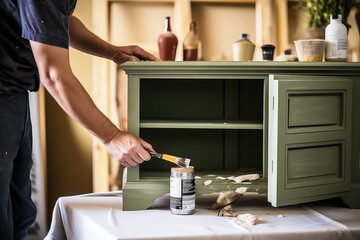
San Jose Cabinet Refinishing is an excellent way to give your cabinets a facelift without the cost and inconvenience of a complete replacement. It also allows for design flexibility—you can choose a sleek, modern appearance or something more rustic and traditional.
With proper preparation, you’ll be well on your way to a successful transformation. To start, remove the doors from their hinges and label each door and hardware piece for easy re-installation. Next, scrub the frames and doors with a gentle soap or TSP solution and sand the surfaces lightly with sandpaper.
Preparation
Cabinet refinishing upgrades your kitchen or bathroom cabinets without the cost and hassle of a full replacement. It changes the color, sheen and finish of your existing cabinet doors, frames and drawer fronts with a shop grade system that delivers a smooth furniture-grade surface. Unlike painting, refinishing uses a controlled spray process for an even coat that’s durable and long-lasting.
Homeowners often struggle with the age-old conundrum of how to refresh their homes’ aesthetic without blowing their renovation budget. A complete cabinet replacement offers a dramatic transformation, but it can be expensive and disruptive, with noise, dust and construction workers constantly coming in and out of your kitchen. On the other hand, refinishing is a far less invasive option that’s far more budget friendly and allows you to stay in your home while the work is being done.
Before the refinishing phase begins, it’s important to prepare the cabinet surfaces for their new finish. The process includes emptying the cabinets (homeowner responsibility), setting up workspace protection and deep cleaning with commercial degreasers to remove years of grease, grime, cooking residue and more. This phase is vital to a successful result because it ensures the refinishing process is executed correctly, with proper drying periods and adhesion between layers.
While the refinishing process isn’t overly time-consuming, additional work like repairing cabinet hinges and handles or installing a new backsplash can extend project timelines. Custom projects with unique design elements also require more lead time to source materials, which in turn can affect the refinishing timeline.
When it comes to cabinet refinishing, timing depends on the scope of your project, so it’s important to communicate with your Kitchen Redefined representative about any special requirements or customizations. Additionally, it’s best to avoid scheduling any other remodeling projects during the refinishing process, as any extra work can add weeks or months to your timeline. If you’re planning on adding a backsplash, flooring, plumbing or electrical work, it’s best to plan ahead and coordinate with your rep to make sure all the details are covered before starting. Trying to rush or skip any steps in the cabinet refinishing process compromises results.
Painting
Cabinet refinishing is an effective way to transform the look of your kitchen without the high price tag and long timeline associated with cabinet replacement. However, understanding the cabinet refinishing process is important to ensure a professional result. Proper preparation is critical to the success of this type of renovation, including cleaning cabinets, removing hardware and sanding surfaces to create a smooth base. With the proper tools and techniques, refinishing can deliver beautiful results that will last for years to come.
One of the biggest downsides to replacing cabinets is that it’s a time-consuming process that can take several weeks, leaving your kitchen out of commission for an extended period. While refinishing can take just days, this process is ideal for homeowners who want to avoid the inconvenience and hassle of a complete renovation.
Refinishing can also be more environmentally friendly than replacement. Refinishing your existing cabinets preserves the structure of the existing cabinetry while changing the appearance with new stain or paint. By contrast, replacing cabinets requires the removal and disposal of old materials and contributes to waste generation.
In addition to being a cost-effective and eco-friendly option, cabinet refinishing is faster than other renovation methods. While refacing and replacement can require weeks or months to complete, refinishing can be completed in just days or a week. This means you can return to your daily routine sooner and enjoy the results of your transformation.
Whether you’re looking for a subtle change or dramatic update, cabinet refinishing offers an array of customization options to suit your style and vision. From changing colors to incorporating new details like glass panel doors or crown molding, you can easily personalize your space while maintaining the overall design and functionality of your kitchen. However, it’s important to note that refinishing is not ideal for cabinetry that is damaged or outdated. If your cabinets are in poor condition, refacing or replacement may be more appropriate. For more information about the best renovation method for your home, consult with a trusted professional. They can help you find the perfect solution to meet your needs and budget.
Staining
In the staining phase of cabinet refinishing, your cabinets are treated to a color-rich coat of a wood product. This coating brings out the natural grain of your cabinetry and offers a traditional look that complements many home designs. Once the stain has dried, your cabinet surfaces will be lightly buffed to remove any surface imperfections and a protective topcoat will be applied if necessary. When selecting a new stain for your cabinets, it is important to choose a product that is designed for your cabinet materials. Harsh chemicals can damage your cabinets and cause them to dull or discolor over time. Choosing the right stain will help your cabinets last longer and will keep them looking their best.
Cabinet refinishing is ideal for homeowners who want a dramatic change to their kitchen without the expense of a full renovation. In fact, refinishing is often less expensive than replacing your cabinets altogether. It is also a much quicker process than a complete renovation, which can take weeks or even months when dealing with design, ordering and demolition.
Before beginning the refinishing process, you must remove all of your cabinet hardware. This includes the knobs and handles, as well as any pulls that may be attached to the drawers. Set the hardware aside in a safe place so you can reattach them once your cabinet surfaces are finished. Clean the cabinet surfaces thoroughly, using a gentle cleaner formulated specifically for wood cabinets. Avoid products with ammonia or bleach, as these can strip your cabinet surfaces and cause them to dull or discolor over the years.
After preparing the cabinet surfaces, they are sanded to provide a smooth base for your new finish. If necessary, the cabinet boxes are sanded as well. Once the sanding is completed, your cabinets are ready for a fresh coat of stain or paint. Before applying a new coat of stain, it is important to let the previous coat dry for at least six hours.
Staining your cabinets is a much more environmentally friendly option than painting, as it does not add any new material to landfills or waste facilities. Using a high-quality stain that is suitable for your cabinet materials will also ensure that your cabinets last longer than they would with a painted finish. In fact, stained cabinets tend to hold up better to water and wear than painted cabinets, but this does depend on the quality of your stain and the level of maintenance that you are willing to commit to.
Final Inspection
If your cabinets are in need of a major facelift but you’re not ready to commit to the cost and disruption of a full replacement, cabinet refinishing may be a good option. Unlike refacing, which replaces your cabinets’ doors and drawer fronts as well as applies wood or laminate veneer to the cabinet boxes, refinishing only changes the finish on existing cabinetry, keeping everything else intact. However, even though refinishing costs less than replacing cabinets, it’s important to prepare properly to ensure your new look is a success.
This includes thorough cleaning and proper prep of your cabinets before applying refinishing products like primer and paint. Make sure to use a degreaser to cut through kitchen grime and provide a clean base for your products. Also, avoid using cleaning products that contain ammonia or bleach, which can damage or discolor your new finish.
When you’re done with your refinishing project, the final inspection phase is the last step before your new cabinetry is ready to be used. It’s important to have a professional inspector on site for this inspection to ensure your work meets code and safety requirements. The inspector will check for issues such as chipping, peeling, stains and water spots, and make sure that the finish is durable enough to last.
As you can see, refinishing your cabinets takes more time than other renovation methods such as refacing or redooring, but the process is far less invasive than a complete kitchen remodel. You can expect to return to your normal routine much sooner, too, since refinishing requires less demolition and construction.
While refacing and replacement are effective ways to change the appearance of your kitchen, they both require extensive renovations. In addition to the cost of new materials, these projects also take weeks and leave your kitchen out of commission for a long time.
Cabinet refinishing is more budget-friendly than refacing and replacement, but it’s still an investment. However, it can save you 30 to 50 percent on the cost of replacing your cabinets. Plus, it’s environmentally friendly by reusing your existing cabinets and reducing the amount of waste generated from manufacturing new ones.