
How a Licensed Electrician Improves Electrical Safety and Code Compliance
Electricity powers nearly every aspect of modern living, from lighting and climate control to data networks and advanced appliances. Yet behind the convenience lies a complex system of wiring, panels, circuits, and safety devices that must function flawlessly to prevent hazards. Electrical faults remain one of the leading causes of property damage and fire incidents in residential and commercial buildings. This is precisely where a licensed electrician becomes indispensable. Hiring a qualified professional is not merely about completing an installation—it is about ensuring electrical safety, meeting regulatory standards, and protecting both people and property.
Electrical systems are governed by detailed safety codes designed to minimize risks such as fire, shock, equipment failure, and power disruptions. These codes are regularly updated to reflect technological advancements and evolving safety standards. A licensed Electrician Jacksonville NC undergoes formal training, examinations, and certification processes to understand these regulations thoroughly. Their expertise ensures that all electrical work aligns with established guidelines, reducing liability and preventing costly mistakes that may arise from improper installations.
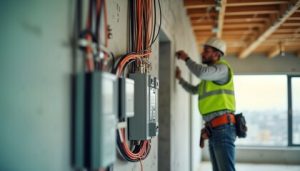
One of the primary ways a licensed electrician improves safety is through accurate load calculation and system design. Every building has a specific electrical capacity based on panel size, wiring configuration, and circuit distribution. When homeowners or business operators add appliances, equipment, or lighting without evaluating load requirements, circuits can become overloaded. Overloaded circuits generate heat, which can deteriorate insulation and ignite surrounding materials. A licensed electrician conducts precise load assessments to determine whether existing infrastructure can handle additional demand or if upgrades are required.
Electrical panels are central to safe power distribution. Over time, panels may become outdated, damaged, or insufficient for modern energy usage. Warning signs such as frequent breaker trips, flickering lights, or unusual buzzing noises often indicate deeper problems. A licensed electrician not only identifies these symptoms but also diagnoses the root cause. In many cases, panel upgrades or circuit reconfiguration are necessary to restore safe operation. By addressing these issues proactively, licensed professionals prevent potential hazards before they escalate into emergencies.
Proper grounding and bonding represent another critical component of electrical safety. Grounding provides a safe path for excess electrical current to travel during faults or surges. Without effective grounding, voltage spikes can damage equipment and pose severe shock risks. Bonding ensures that metallic components within the electrical system remain electrically connected, reducing the chance of stray currents. Licensed electricians understand the intricacies of grounding requirements and verify that systems meet code specifications. Their attention to detail protects occupants from hidden electrical dangers.
Code compliance is more than a bureaucratic formality; it is a protective framework designed to ensure safe operation. Electrical codes specify conductor sizing, outlet spacing, breaker ratings, and protective device installation. Failing to comply with these standards can result in denied insurance claims, legal complications, and safety hazards. Licensed electricians stay informed about code updates and apply them during installations, repairs, and upgrades. This compliance not only safeguards property but also provides peace of mind to owners and occupants.
In both residential and commercial settings, electrical systems must accommodate evolving technology. Smart home devices, advanced security systems, data networks, and electric vehicle charging stations introduce new load demands and wiring complexities. A licensed electrician ensures that new installations integrate seamlessly with existing infrastructure. Rather than improvising solutions, professionals design circuits that balance efficiency, safety, and compliance. This structured approach prevents performance issues and reduces long-term maintenance costs.
Electrical inspections play a vital role in identifying potential risks. Licensed electricians conduct thorough evaluations that examine panels, wiring, outlets, switches, and protective devices. During these inspections, they look for signs of overheating, corrosion, loose connections, and outdated components. Thermal imaging tools may be used to detect hidden hotspots within walls or panels. By uncovering problems early, electricians prevent small issues from developing into serious hazards.
There are several essential services a licensed electrician provides to improve electrical safety and compliance:
- Comprehensive Safety Inspections – Evaluating the entire electrical system to detect code violations and potential hazards.
- Panel Upgrades and Circuit Rebalancing – Ensuring proper load distribution and sufficient capacity for modern energy needs.
- Installation of Protective Devices – Adding arc fault circuit interrupters, ground fault circuit interrupters, and surge protection systems to enhance safety.
- Wiring Replacement and Modernization – Upgrading outdated or damaged wiring to meet current safety standards.
These targeted interventions significantly reduce the likelihood of electrical accidents.
Arc faults and ground faults are among the most dangerous electrical issues. Arc faults occur when electrical current jumps across gaps in damaged wiring, generating intense heat capable of igniting fires. Ground faults involve unintended electrical paths that increase shock risk. Licensed electricians install advanced protective devices designed to detect and interrupt these hazardous conditions. These technologies are often required by modern codes, particularly in kitchens, bathrooms, and other high-risk areas.
Commercial properties present additional challenges due to their complex distribution systems and higher energy demands. Businesses rely on uninterrupted power for productivity and revenue generation. A licensed electrician ensures that commercial installations meet stringent safety standards, including proper labeling, clear access to panels, and accurate documentation of circuit layouts. This level of organization simplifies future maintenance and supports regulatory inspections.
Emergency preparedness is another area where licensed electricians add value. Backup generators, battery storage systems, and surge protection devices must be installed correctly to function reliably during power outages. Improper generator connections can create dangerous backfeeding conditions, endangering utility workers and damaging equipment. Licensed professionals follow established safety procedures to integrate backup systems without compromising grid stability.
Insurance providers and property assessors often require proof of professional electrical work. Documentation from a licensed electrician demonstrates that installations meet recognized safety standards. In the event of a claim, evidence of code-compliant work can expedite the process and protect property owners from liability disputes. Conversely, unauthorized or unpermitted work may invalidate coverage, creating financial risk.
Electrical safety extends beyond installation to include ongoing maintenance. Connections can loosen over time, and components may degrade due to wear and environmental factors. Licensed electricians recommend periodic evaluations to maintain optimal performance. Routine maintenance not only ensures compliance but also extends equipment lifespan and enhances overall efficiency.
Beyond technical expertise, licensed electricians bring accountability and professionalism to every project. Their training emphasizes not only installation techniques but also ethical responsibility and adherence to safety protocols. When property owners hire a licensed professional, they gain assurance that the work will be performed to high standards and inspected according to regulations.
The long-term benefits of hiring a licensed electrician are substantial:
- Reduced Fire and Shock Risk – Proper installation and protective devices significantly lower accident potential.
- Improved System Reliability – Balanced circuits and quality workmanship minimize power disruptions.
- Legal and Insurance Protection – Code-compliant work safeguards against regulatory penalties and claim denials.
- Higher Property Value – Modern, professionally installed systems increase market appeal and buyer confidence.
These advantages highlight the broader impact of professional electrical services.
As buildings become more technologically advanced, electrical systems must evolve accordingly. Renewable energy integration, smart automation, and high-capacity charging infrastructure demand precise engineering and compliance expertise. Licensed electricians remain at the forefront of these advancements, ensuring that new technologies enhance rather than compromise safety.
Ultimately, electrical safety is not an area where shortcuts should be taken. Improper wiring or non-compliant installations may appear functional initially, but hidden deficiencies can surface at the worst possible moment. A licensed electrician serves as both a technician and a safeguard, applying rigorous standards to every connection and component.
Investing in licensed electrical services is an investment in long-term safety, compliance, and operational efficiency. Whether upgrading a panel, installing new equipment, or conducting a comprehensive inspection, professional oversight ensures that systems operate within safe and legal parameters. In a world increasingly dependent on electricity, the role of a licensed electrician remains essential. Through meticulous planning, adherence to code requirements, and unwavering commitment to safety, they help create secure environments where power is both reliable and responsibly managed.