Pressed Floral Art
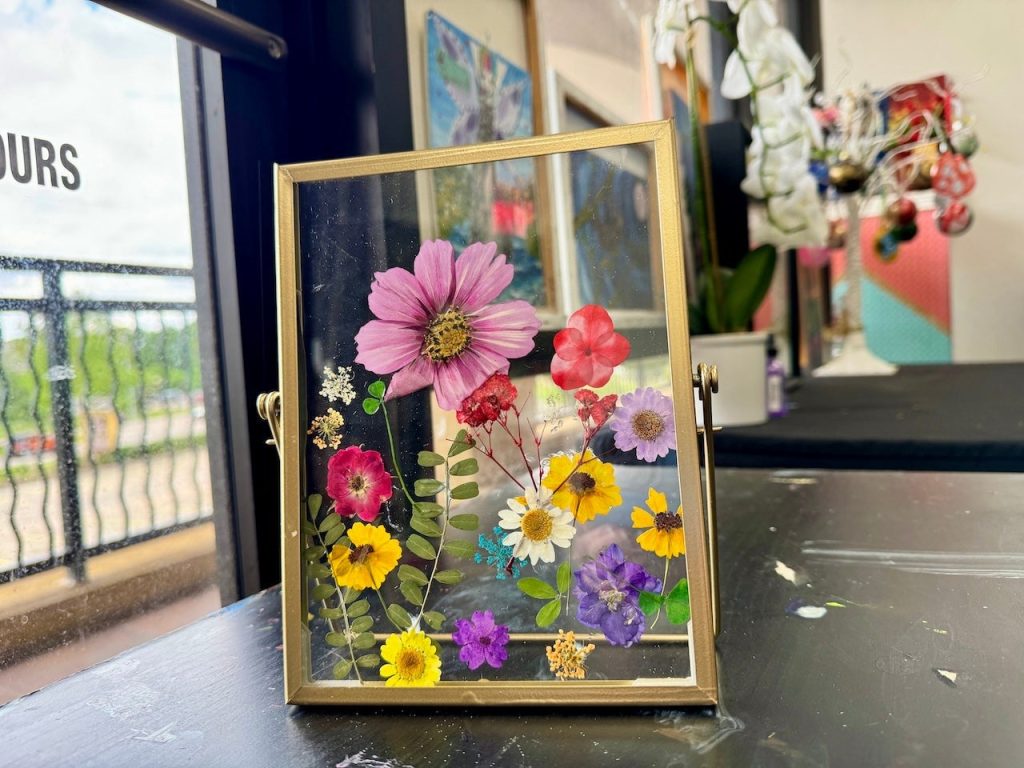
Pressed Floral Art adds a timeless elegance to picture frames, decorative items and more. But it’s important to know which flowers work best for this craft and how to prepare them for pressing.
Choosing absorbent materials like parchment paper and the pages of heavy books help remove moisture during the drying process. And adding a little weight like additional books or even stones helps ensure consistent pressure for flattening and pressing the florals.
Flowers with Thin Petals
As autumn approaches, it’s the perfect time to collect and press flowers for gifts and home decor projects. Cultivated and wild flowers are at their peak, petals are firm, and they can be preserved for weeks with the right preparations. Pressing flowers is a centuries-old creative pastime, once popular in Japan where the practice was known as Oshibana. This art form promoted patience, concentration, and a connection with nature.
During this season, flower petals are a beautiful addition to handmade cards and journals for friends and loved ones. They can also be incorporated into framed botanical art and other home decor accents that will capture the memories of cherished moments.
The floral preservation process is easy to do and provides a fun activity that the whole family can enjoy. It also encourages patience and perseverance as the flowers must be left to dry for several weeks. These skills are important in both personal and professional settings.
To start, prepare the flowers for pressing by removing any wilting or damaged petals. Choose petals and leaves that are fully open for the best results, and avoid flowers with thick or oily petals. Place the florals between sheets of absorbent paper, such as blotting or parchment paper, and stack additional books on top for even pressure.
After allowing the flower to dry for a few weeks, remove it from the paper and store it in a cool, dark place. Moisture is detrimental to pressed flowers, and prolonged exposure can cause them to fade or develop mold. Avoid displaying pressed florals in humid areas, and consider using glass frames or UV-resistant resin when displaying them in your home.
For an extra special touch, Element Design Co can transform sentimental blooms into stunning framed flower displays and functional resin decor such as serving trays and coasters. The company’s mastery in the art of flower preservation allows you to preserve meaningful memories of special events and travels for years to come.
Flowers with Thick Petals
The thick petals of flowers such as roses, tulips, peonies, and dahlias pose special challenges when making pressed floral art. While these blooms can still be beautiful when pressed, the process requires a great deal of patience and careful handling to ensure the delicate petals do not break or warp. To minimize the chance of a less-than-desirable result, DIYers should select flowers that are at their peak and gently flatten the petals before pressing to improve their chances of success.
The thinner petals of many flower varieties, including daisies, pansies, and larkspurs, press beautifully. They maintain their shape and vibrant colors, while adding an airy element to any pressed flower composition. Daffodils are another great choice, as they press well and keep their sunny yellow hue. Although not technically a flower, ferns also press beautifully and add a touch of greenery to floral arrangements.
Pressed flower art is a simple, rewarding craft that adds timeless charm to your home décor and handmade gifts. Pressed flower bouquets make wonderful personalized greeting cards, and you can even encase your preserved florals in resin to create unique botanical jewelry pieces. Pressed flower embellishments can also be used to create decorative framed art. Just remember to use acid-free materials and frames to preserve the colors of your pressed flower creations.
As an alternative to traditional flower pressing, you can try a new technique called Oshibana, which was developed in Japan. Instead of using a traditional flower press, you can place your arranged flowers between the pages of several heavy books, stacking them on top to provide consistent pressure. This method is easier, faster, and yields more consistent results.
Flowers with High Water Content
Unlike thin flowers, which press well with little effort, larger blooms require extra preparation to ensure the best results. Aim to harvest your flowers at their peak blooming stage, preferably before they reach full maturity. Remove any excess moisture before pressing, such as dew or rain, by blotting the petals gently with paper towels.
Some flowers, such as daisies, pansies, lilies, and asters, have low water content and are easy to press for floral art. These flower types are ideal for pressed bouquets and framed prints.
For example, daffodils have a high water content and can be difficult to press. However, daffodils that are harvested at an early stage and pressed quickly produce excellent results. Similarly, tulips and irises are often challenging to preserve due to their delicate structure. For the best results, you should try to select flowers that have a lower water content.
Incorporating pressed florals into creative projects is a rewarding and therapeutic craft. Whether designing personalized greeting cards or embellishing home decor items, pressed florals elevate any DIY project. With proper preservation techniques, your preserved florals will last for years to come. For even longer-lasting pressed flower artwork, you can encase your flowers in a clear resin to preserve their colors and details. To ensure your pressed flowers retain their quality, use acid-free papers and materials and store them in a cool and dry location away from direct sunlight and humidity. Alternatively, you can contact the professionals at Element Preservation for professional flower preservation and storage. Our team can expertly encapsulate your special flowers and transform them into elegant glass prints to celebrate life’s moments. Visit us online to learn more about our services.
Flowers with Oily Petals
While the beauty of pressed florals is universal, not all flowers and plants work equally well when it comes to this flower preservation technique. Pressing flowers entails applying pressure and heat in order to flatten and preserve them. While specialized flower presses are available, you can also use heavy books and even weights to provide consistent pressure. This ensures that the blooms dry evenly and prevents mold from growing within the flower.
To prepare your blooms for pressing, carefully blot away any excess moisture before placing them in the press. Ideally, the flowers should be arranged so that they do not overlap each other or touch. After a week of drying, carefully check the blooms to make sure they are completely dry and not discolored or damaged. It is important to be patient during the drying process, as the time it takes for a bloom to press depends on its water content and type.
Once your pressed florals have finished drying, they can be framed and displayed in a variety of ways. You can also incorporate them into creative DIY projects, such as embellishing candles, bookmarks, or other home decor items. However, if you are interested in a more permanent preservation solution, you can always take your florals to the professional experts at Element.
Element offers a wide range of custom services, including resin encapsulation, to preserve your most sentimental florals into beautiful and functional art pieces. For more information, visit our website or contact us today! We look forward to preserving your memories for years to come.
Flowers with Irregular Shapes
Flowers are beautiful and inspiring, capturing the fleeting beauty of nature’s bounty. Pressing them into artwork is a relaxing activity, encouraging mindful engagement with the textures, colors, and shapes of natural botanicals. Pressing flowers also encourages concentration and promotes problem-solving skills, helping to reduce anxiety. In a world that moves at an ever-increasing pace, flower pressing is a way to slow down and connect with the quiet beauty of the natural world.
When choosing blooms for pressed floral art, select ones with thin petals and low water content. Ideal options include wildflowers, daisies, violets, and ferns. Larkspurs are another delicate filler flower that dries beautifully, and their fragrance can add an appealing element to bouquet compositions. It’s important to consider the foliage of your flowers, as this is also a key component of the final pressed artwork. Ferns, for example, are a popular choice because of their symmetrical patterns and green hues that complement other flowers well in pressed floral compositions.
Once you have chosen the best flower to press, carefully arrange it on a piece of tissue paper and place a second sheet of tissue on top. Then, stack a heavy object on top, like a book or bricks, to ensure the pressed arrangement doesn’t move during the drying process.
Pressed flower art is a simple craft that opens up a world of creative possibilities. From botanical greeting cards to framed wall art and nature-inspired crafts, pressed florals can bring a subtle and elegant touch to any home décor or handmade gift. As summer comes to a close, now is the perfect time to begin pressing botanicals, as gardens and wild spaces offer a wealth of gorgeous blooms that are perfectly suited for the drying process. Incorporate them into DIY projects to create a thoughtful, nature-inspired autumn or winter celebration or add to your journal as you reflect on summer’s beauty throughout the colder months.