Plumbing Services

Expert Plumber – Why You Need an Expert Plumber

Whether it’s a leaky pipe or a clogged toilet, a plumbing issue is a serious concern that requires expert care. Plumbers can solve these problems quickly and effectively. Most states require licensed plumbers to have a certain level of training and experience before performing any work on your home. They must also carry general liability insurance.
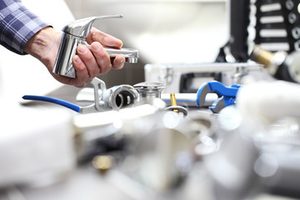
Plumbing

Plumbing is a complex trade that requires extensive knowledge. Plumbers install and repair pipes that connect appliances, machines and water fixtures to other buildings, such as homes and offices. A plumber must be able to work with pipes that are hidden inside walls and in confined spaces. They also have to be able to interpret 2D architectural drawings that indicate where pipes should go in a house.

This certification ensures they know about Federal and state regulations, building codes and advanced plumbing skills. Typically, these skills are acquired by learning the trade through apprenticeships or vocational schools. Once they’ve completed the training, apprentices can work as independent plumbers. They’ll often receive additional education to become a master plumber, which takes at least five years.

Expert plumbers are tasked with repairing and installing a variety of devices that are hard to reach. Some of these devices include water heaters, pumps, water meters, backflow preventers, sewage systems and faucets.

To be an expert plumber you need to understand how these devices work and how they fit into your home’s plumbing system. This requires knowledge of engineering and plumbing concepts, as well as the ability to read blueprints of homes to understand where pipes go and how they connect to fixtures.

Most states require plumbers to obtain licenses before they can practice plumbing. The licensing process follows a progression of education, experience, and passing exams.

Licensed plumbers are able to pull permits for projects, supervise junior plumbers, and run their own plumbing businesses. They can also apply for certifications and professional affiliations that may make them more attractive to potential employers or clients.

In New York, plumbing contractors are required to have a plumbing contractor license before they can bid on jobs over $1,000. It’s important to check with the city or county where you plan to work for more information about licensing requirements and reciprocity.

In New York, there are three levels of licenses for plumbers: apprentice, journeyman, and master. A master plumber can supervise other journeymen, and can plan and lay out details for projects.

Plumbing is a hazardous job, one that could result in property damage, injury to a worker, or theft of expensive materials. A good general liability policy can protect you from these and other risks, ensuring you can concentrate on your job.

A good business insurance agent understands the unique needs of plumbers and can help you choose the right coverage for your business. They can also answer questions and issue certificates of insurance quickly and easily online, saving you time and hassle.

Expert Plumber offers a wide range of services, including plumbing, electrical and heating and cooling. They also offer backflow testing, pipe repair and replacement, gas leak detection and reconstruction, and battery installation. Their team is available around the clock and can perform any necessary work at an affordable price. They also provide a free estimate and guarantee their work for up to three months. The company’s technicians are knowledgeable and courteous, and they will answer any questions you may have. Moreover, their customer service is backed by a 100% satisfaction guarantee. To find out more about their services, you can contact them through their website or by phone. You can even get a free quote online. The company is also a member of the Better Business Bureau.

Expert plumbers are able to diagnose and troubleshoot complex plumbing problems, and they have the tools and experience to perform repairs and installations quickly and efficiently. They also have a deep understanding of local plumbing codes and regulations, and they ensure that all work is completed to the highest standards of safety and quality.

Whether you need a simple repair or a major plumbing installation, an expert plumber can provide the expertise and professionalism you need to get the job done right.
Plumbing Services

How To Become A Plumber

As a plumbing professional, you will travel to various work sites every day to perform a variety of tasks. These jobs may take place in homes, factories, or office buildings. Because of the nature of the work, plumbers must be physically fit, and many plumbers will face dangerous conditions in tight spaces. They also often work outside in bad weather, so a strong suit is a necessity. Despite the demanding nature of the job, plumbers often enjoy steady incomes and full-time schedules. Many plumbers work evenings and weekends, and overtime is common. Additionally, they must be available for emergencies, which is why Plumber have to be on call all the time.

plumbers

Plumbing is a highly-skilled profession, with many opportunities for growth. A plumber’s daily responsibilities vary greatly, but generally include installing and repairing pipes in homes and businesses. Pipes carry potable water, drainage, irrigation, and sewage. A plumber may also perform design work, drawing blueprints, and drafting designs to improve efficiency. Many plumbers have a wide variety of specialties, and some of the highest-paying jobs are in less common specialties.
Plumbing jobs require strong communication skills, and plumbers must understand how to read blueprints so that they can properly install or repair fixtures and appliances. They must be able to work well with other professionals, and have a comprehensive understanding of local codes. Plumbing is a diverse profession, but there are many different ways to become a plumber. You may consider becoming a plumber, if you feel your skills match the job description.
Plumbing jobs require a diverse range of skills, as plumbers must analyze problems and determine realistic solutions to them. Their job requires the ability to weigh various possible solutions and communicate clearly with customers. Some plumbers have to lift heavy tools and equipment, but the job outlook is good. The Bureau of Labor Statistics predicts that plumber jobs will grow by 15% between 2016 and 2026. However, this growth is dependent on the health of the economy. This means that the economy may not be strong in that time frame.
A plumbing career is one of the most rewarding occupations for anyone, and the rewards can be enormous. Plumbing not only brings beauty and comfort to homes, but also a safe place for people to escape stress and strain. With millions of people around the world depending on plumbing, the job is a strong economic engine and a source of livelihood for many. It helps protect populations from disease, which has probably saved more lives than any other medical advancement in history. And it continues to do so, especially in developing nations.
Plumbing jobs involve handling human waste, and plumbers must be trained in the various ways to safely dispose of the waste. For example, they must know about water pressure and force to avoid inadvertently causing harm. Additionally, plumbers must understand how to work with various complexities and materials, and they must be knowledgeable about building regulations. Therefore, plumbers should also have adequate knowledge of electrical systems and have the necessary equipment to work effectively with them.
After completing an apprenticeship program, a plumber can apply to become a master plumber. This requires a master plumber’s license, which is obtained after earning enough experience as a journeyman. Once he has gained experience, he can work independently as a journeyman plumber, with more complex duties. A journeyman plumber may also choose to specialize in certain areas of plumbing. This type of plumber will work with residential homes, and may install plumbing systems or fixtures.
Most plumbers receive their training through apprenticeship programs. Apprenticeship programs usually last four or five years and require around 2,000 hours of on-the-job training. Apprenticeships are sponsored by trade unions, and require that a person be at least 18 years old, and have a high school diploma. In addition, apprentices should have basic math skills, and a high school diploma. In order to work as a plumber, you should have a license from your state.
A plumbing apprenticeship will last approximately 14 weeks, and requires a student to earn a total of $2,239 (excluding books and fees) and pass an exam. This apprenticeship will also include training in various specialised skills certification and plumbing level one. The certifications you receive from an apprenticeship are a good indication that you have the technical expertise to safely install pipe systems. Regardless of whether or not you are eligible for federal financial aid, you should never stop learning and growing.

Plumbing Services

The Importance of Plumbing and Sewer Line Repair

Plumbing is the process of installing pipes and fixtures in a home or building to supply potable water and remove wastewater. It is different from the sewage and water systems that serve a city or group of buildings. Plumbing systems are vital to a city’s health. Properly maintained plumbing systems provide safe drinking water and ensure that wastewater is disposed of appropriately. Plumbers ensure that water-using equipment is installed properly. In addition to installing plumbing fixtures, plumbers also maintain sewage and water systems, which serve a city or a neighborhood.

Plumber

Low water pressure in the home can lead to various problems, including running faucets and showers. Common causes of low water pressure include blockages and leaks. While loose connections can be fixed at home, re-piping requires a professional plumber. Keep the main pipe connected to the water meter and install a shutoff valve before cutting off the water supply to prevent clogs. This valve can be located either before or after the water meter.
Another common problem is sewer line backup. If sewer pipelines become blocked, sewage can back up into the home and pose a major health risk to the residents. To prevent such a disaster, homeowners should educate their children about the importance of plumbing maintenance. This way, they’ll be less likely to cause damage to their home’s plumbing. Luckily, there are many ways to prevent a sewer line backup. You can use sewer line snakes to keep the line clear and avoid costly sewer line replacement.
When sewer line repair is required, plumbers need access to underground pipes. A qualified, experienced plumber will ensure that the new repair performs as expected. A licensed plumbing company specializing in this type of repair will protect the integrity of underground pipes. Plumbing companies can also use video inspection technology to determine the best solution for your situation. A reputable company employs licensed plumbers to repair damaged pipes and clogs. The company also offers trenchless repair and replacement services.
Proper maintenance is also necessary to avoid clogs. The main tip here is to avoid disposing of inappropriate materials in your sinks and toilets. Install a drain trap to catch hair and food particles that could wash into the pipes. Also, dispose of feminine hygiene products and baby wipes in a trash can instead of flushing them down the toilet. Paper products typically don’t break down properly and can cause a mess. You’ll avoid plumbing disasters and keep your home’s value high by following these tips.
Proper sizing of your sanitary drain depends on how many fixtures the system serves. A minimum diameter of four inches is necessary. Materials used to make house drains include cast iron, vitrified clay, plastic, lead, and copper. ABS and PVC are the top two pipe choices for DWV systems. For proper drainage, the angle of the pipe should be half-filled, and it should have a scouring action to prevent solids from clogging the pipe.
Burst head sewer repair is a less invasive technique that prevents extensive damage to your home’s landscape. This method works by inserting an inflatable tube covered with epoxy into the affected pipe. It is then inflated to compress it against the existing pipe. The pipe can then be repaired after the epoxy hardens. A burst head repair will not impact your home’s exterior if a single branch only causes the leak in the burst pipe.
The cost of sewer repair is determined by where the pipe is located. This way, the service technician can focus on the problem areas. For example, if the pipe is completely damaged, it may be necessary to replace it. This repair is costly, but it can be completed by a sewer repair company using the latest technologies. So, it’s important to get estimates and know how much you’ll need to pay. You should ask the company for a free quote based on the location of the problem.
Traditional methods of sewer repair require extensive damage to the home. They may require digging a trench and tearing up walls to reach the damaged pipe. Traditional methods can be time-consuming and expensive. If you don’t have much time, trenchless methods may be a good option. But be prepared to pay a higher price for the labor. And if you choose to hire a contractor to do this work, consider asking about their experience and expertise.
A sewer line is a pipe that carries wastewater from your home to the sewer main. It runs through your front yard and below the frost line. Your home’s age and replacement of the sewer line will affect the materials used for the sewer line. If the sewer line is made of old, brittle material, it will likely develop future issues. And if the sewer line is too old, it can lead to a clog.